Mango Wood Furniture: Harder Than Walnut, and Why It Is Cheap
The Wooden Stars is a participant in the Amazon Services LLC Associates Program. We may earn a commission when you buy through links on our site, at no extra cost to you.
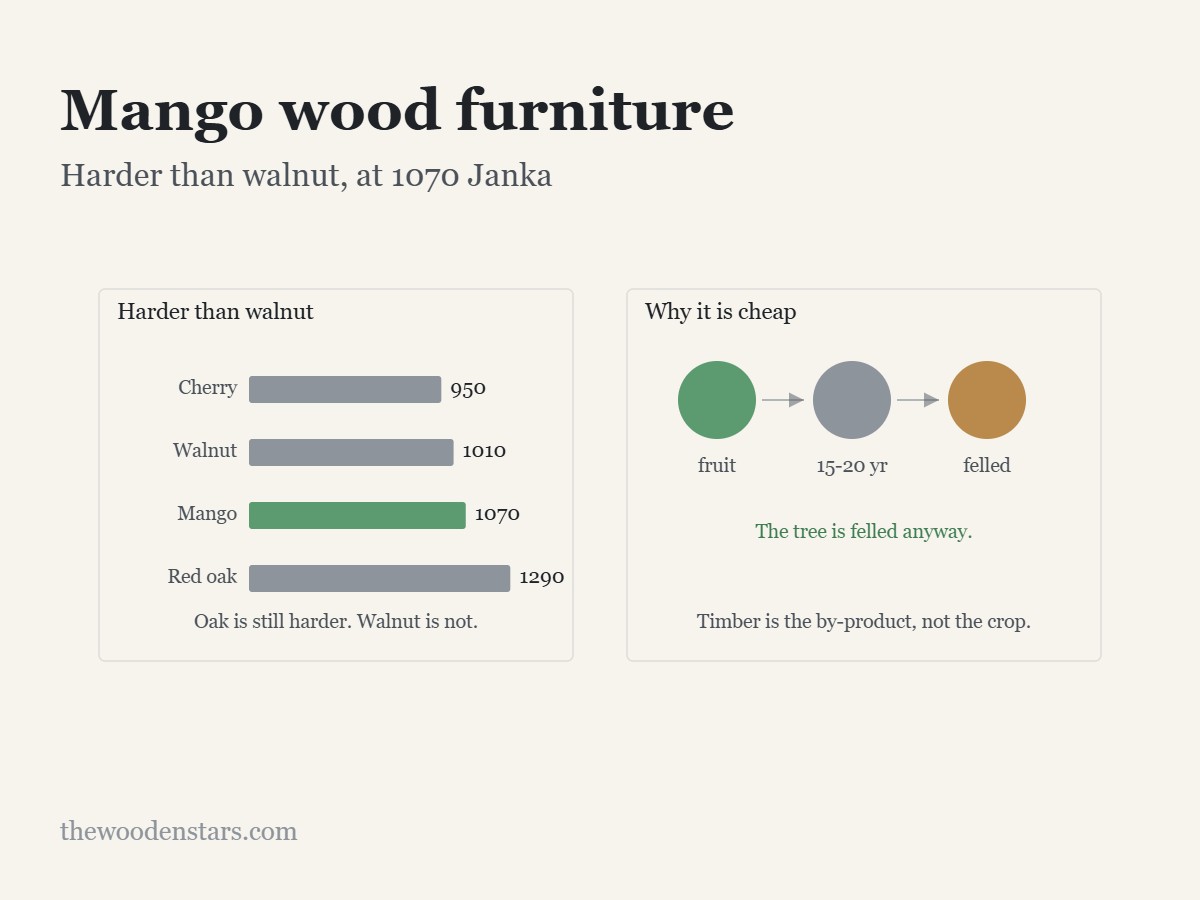
Mango wood arrived in mainstream furniture about fifteen years ago and is now everywhere in the middle of the market. The usual reaction is suspicion: fruit tree, cheap, probably rubbish.
It is a fruit tree and it is cheap. It is not rubbish. It is a genuine hardwood harder than walnut, with a real sustainability argument, and one specific weakness worth knowing before you buy.
Mango is the timber of the fruiting mango tree, felled at around 15 to 20 years when fruit yields drop. At about 1,070 on the Janka scale it is harder than walnut (1,010) and cherry (950), and close to teak. It is dense, takes a finish well, and shows strong figure with colour running from golden brown to almost black. Its weakness is moisture and pests: like rubberwood it is high in starch, so it must be properly kiln-dried and treated, and it is strictly an indoor timber. Buy it for sideboards, coffee tables and occasional furniture; expect variation between pieces, because the figure is not consistent.

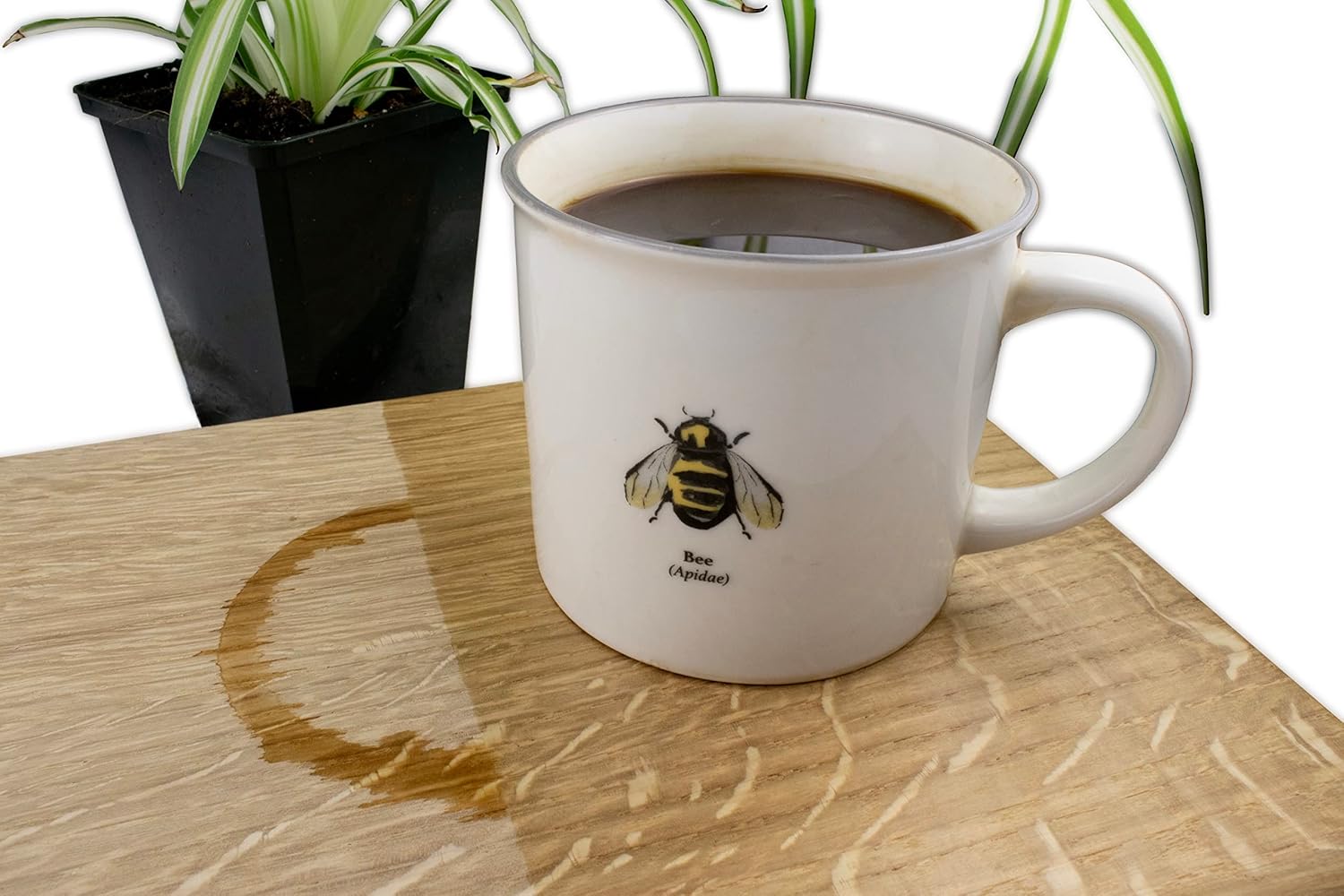
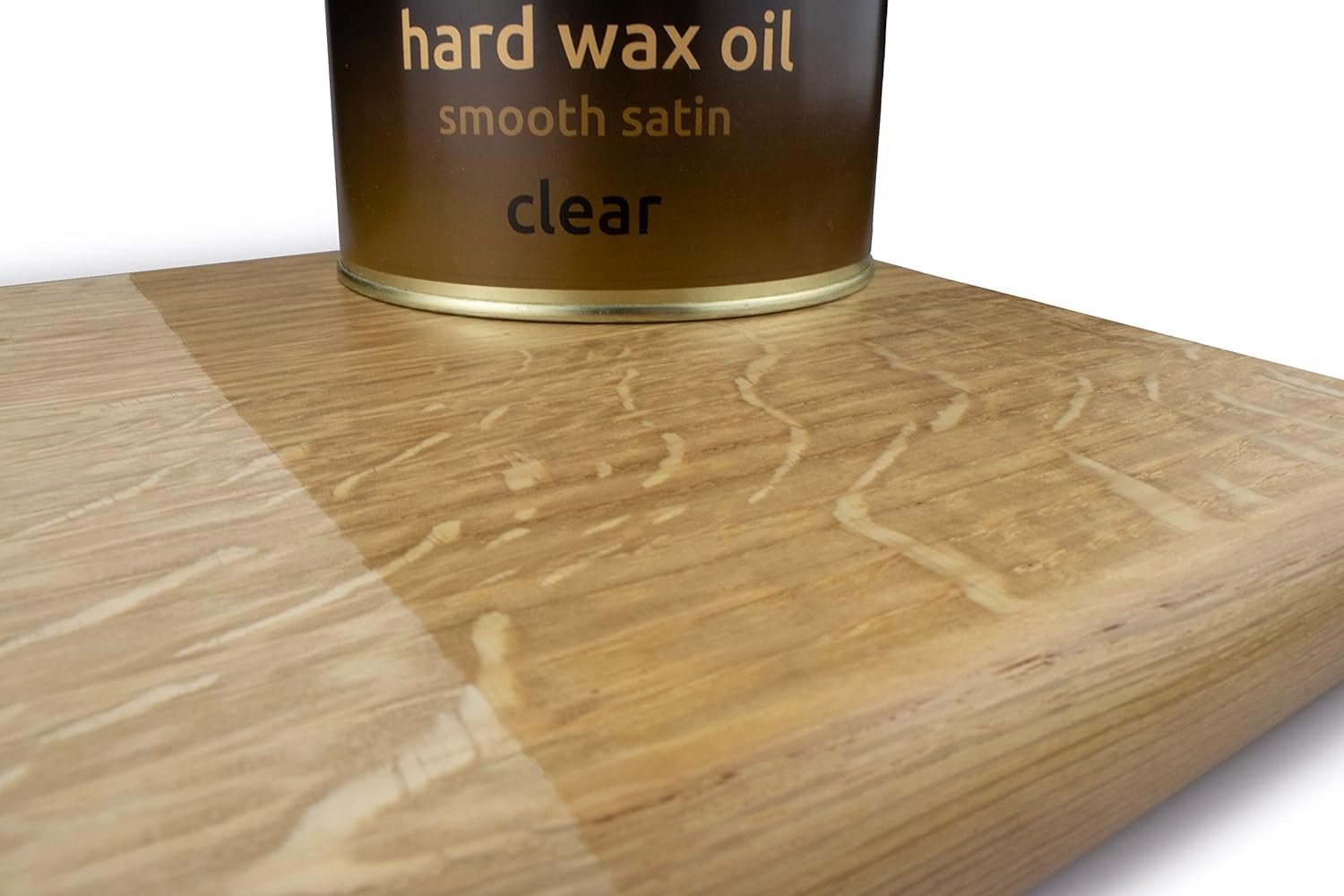
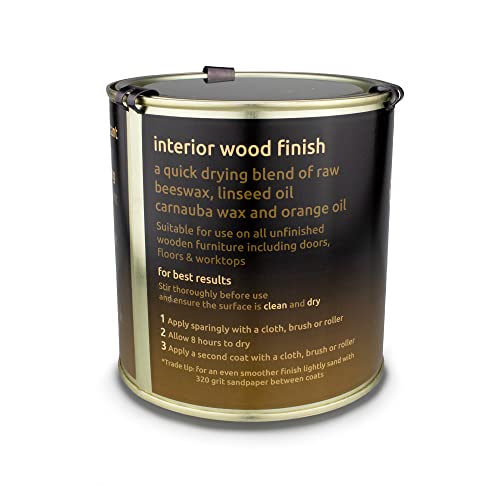
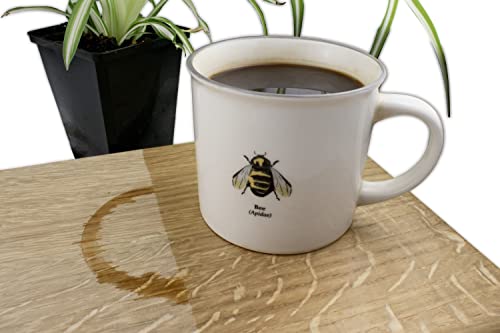
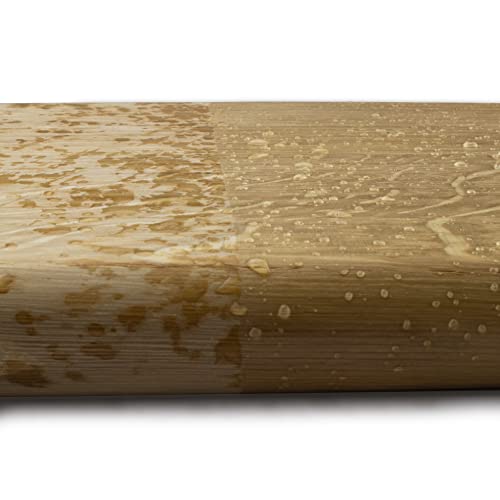
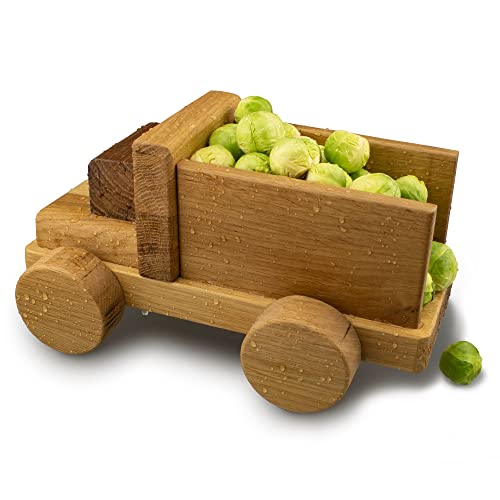
Prime Gilboys Hard Wax Oil - Interior Wood Finish - 500ml - All Natural, Quick Drying, Water & Heat Resistant - Perfect for Sealing & Finishing Kitchen worktops, Stairs, Floors, Doors & Dining Tables…




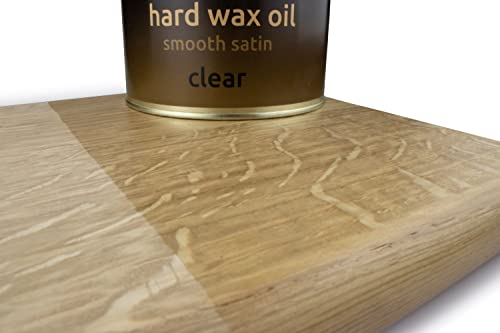
As an Amazon Associate we earn from qualifying purchases. Product prices and availability are accurate as of the date/time indicated.
Start here: mango repays a maintained finish more than most timbers, because its weakness is moisture rather than wear.
What mango wood is actually like
| Property | Mango | For comparison |
|---|---|---|
| Janka hardness | 1,070 lbf | Walnut 1,010, teak 1,070, oak 1,290 |
| Density | 650–700 kg/m³ | Similar to oak |
| Colour | Golden brown, with darker streaks, sometimes pink or black | More varied than most timbers |
| Grain | Interlocked, often wavy, strong figure | More figure than rubberwood or poplar |
| Stability once dried | Good | Comparable to oak |
| Rot and insect resistance | Poor untreated | Teak excellent, oak good |
| Workability | Good, though interlocked grain can tear | Easier than acacia |
The figure is the selling point and the catch. Mango can be spectacular — spalted patterns, dark streaks, a range of colour within one board — and it can also be plain. Two sideboards from the same range can look substantially different, which matters if you are buying a set over time.
The sustainability case
Like rubberwood, mango is essentially a by-product. Mango trees are grown for fruit and become uneconomic after 15 to 20 years, at which point they are felled and replanted regardless of whether anyone wants the timber. Before it was commercialised, most of it was burned or used as fuel.
So the argument is genuine: no forest is cleared to produce mango furniture, the tree grows fast, and the alternative use is combustion. The honest caveats are that it travels a long way to most markets, and that “sustainable” on a listing is a claim rather than a certification. If it matters to you, look for FSC on the specific product rather than trusting the species.
The same reasoning applies to rubberwood, which is the other major plantation by-product timber and sits at a similar price point.
Where mango works, and where it does not
- Sideboards, consoles and chests. The figure has room to show, and these pieces take light wear.
- Coffee and side tables. Common, and the hardness is ample.
- Dining tables, with a caveat: at 1,070 it dents more readily than oak, and a family table will show it. A film finish rather than a bare oiled surface makes the difference.
- Bowls and turned work, where the figure is the whole point.
Not for: anywhere damp, anywhere outdoors, and anywhere you need two pieces to match closely. Bathroom vanities in mango are sold and are a poor idea.
The two things to check before buying
- Is it kiln-dried? Air-dried mango can carry moisture, and starch plus moisture means fungal staining and borers. Reputable sellers state kiln drying; if it is not stated, ask. Furniture that arrives with small round exit holes has had borers.
- Is it solid, or a veneer over board? Mango veneer over MDF is sold as “mango wood furniture”. The edge test settles it — grain running over the corner and continuing on the next face means solid. The full set of tests is in our guide to what engineered wood actually is.
A third, softer check: look at the underside and inside the drawers. Mango furniture is often made in workshops where the visible faces get the good timber and the hidden ones get whatever was left. That is normal and not a fault, but it tells you the grade you are buying.
Looking after it
Mango is not difficult, but it is not maintenance-free either.
- Keep it away from radiators and direct sun. The colour fades and the dark streaks flatten out over a few years of strong light.
- Wipe spills promptly. Once the finish is breached, the starch content makes staining more likely than on oak.
- Re-oil an oiled piece annually. A hard wax oil finish is easy to refresh and repairs in patches, which suits a timber that varies in colour anyway.
- Dents raise with steam as they do in any medium-hard timber, provided the fibres are crushed rather than cut.
Which finish family suits it, and why an oiled finish is easier to live with on a varied timber than a film one, is set out in our guide to the best finish for a solid wood top. And for how 1,070 compares with everything else you might be considering, see our guide to the Janka hardness scale.
What helps
- Hard wax oil Refreshes in patches, which suits a timber that varies in colour On Amazon →
- Moisture meter The real risk with mango is damp and what follows it On Amazon →
- Touch-up marker set Matches a timber that runs from gold to near-black On Amazon →
- Soft cloth and a mild soap Most dulling on mango is skin oil, not damage
What to buy


Questions we get asked
Is mango wood good quality?
Yes, for its price band. It is a genuine hardwood at around 1,070 Janka — harder than walnut — dense, and it takes a finish well. It is not a premium timber and the figure varies between pieces, but solid mango furniture is a substantially better object than the board furniture it usually competes with.
Is mango wood durable?
Indoors and properly finished, yes; it will last decades. Untreated or damp, no. Its starch content makes it vulnerable to fungal staining and borers, which is why kiln drying and treatment are not optional.
Is mango wood harder than oak?
No. Mango is about 1,070 on the Janka scale and red oak about 1,290, so oak is meaningfully harder. Mango is harder than walnut and cherry, which surprises people more.
Can mango wood furniture go in a bathroom?
It is sold for that and it is a poor idea. Mango has poor natural moisture resistance and the starch content makes fungal staining likely once the finish is breached. A downstairs cloakroom with good ventilation is the most it will tolerate.
Why do two pieces of mango furniture look so different?
Because the figure and colour genuinely vary that much within the species, and workshops grade timber to the visible faces. If you want a matching set, buy it at the same time from the same batch rather than adding to it later.

