The Janka Hardness Scale, and What It Does Not Tell You
The Wooden Stars is a participant in the Amazon Services LLC Associates Program. We may earn a commission when you buy through links on our site, at no extra cost to you.
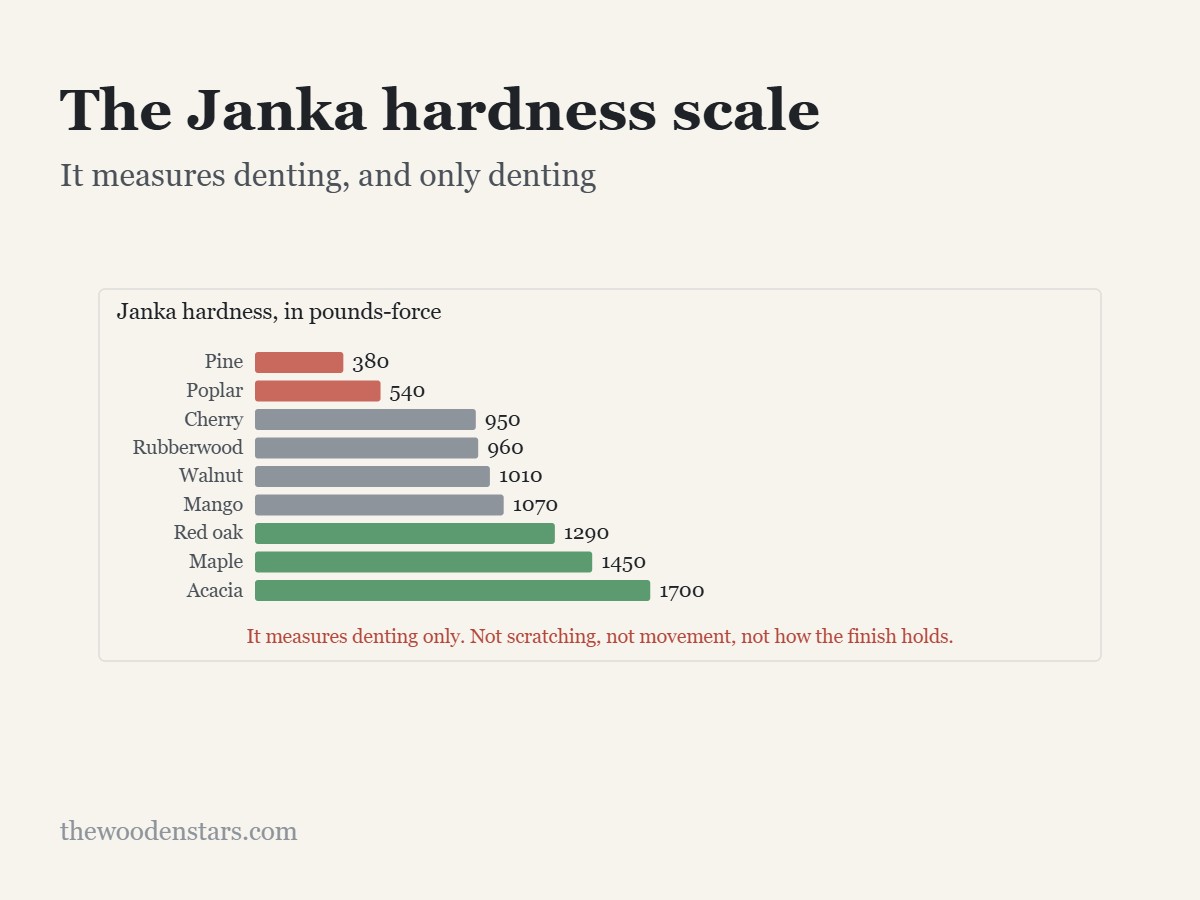
The Janka scale is the only widely quoted number for how hard a timber is, and it is quoted far beyond what it actually measures.
It is one test: how much force it takes to push a steel ball halfway into a board. That predicts denting well. It says nothing at all about scratching, stability, strength or how a table will look in five years.
Janka measures resistance to denting, in pounds-force, by pressing an 11.28 mm steel ball to half its diameter into the timber. For furniture, the useful bands are: under 900 dents easily and suits painted or low-traffic pieces; 900–1,300 is fine for most furniture; 1,300–2,000 handles a family dining table; above 2,000 is very hard and correspondingly difficult to work. It does not predict scratch resistance, seasonal movement, or how well a finish holds — those are separate properties and often run the other way.

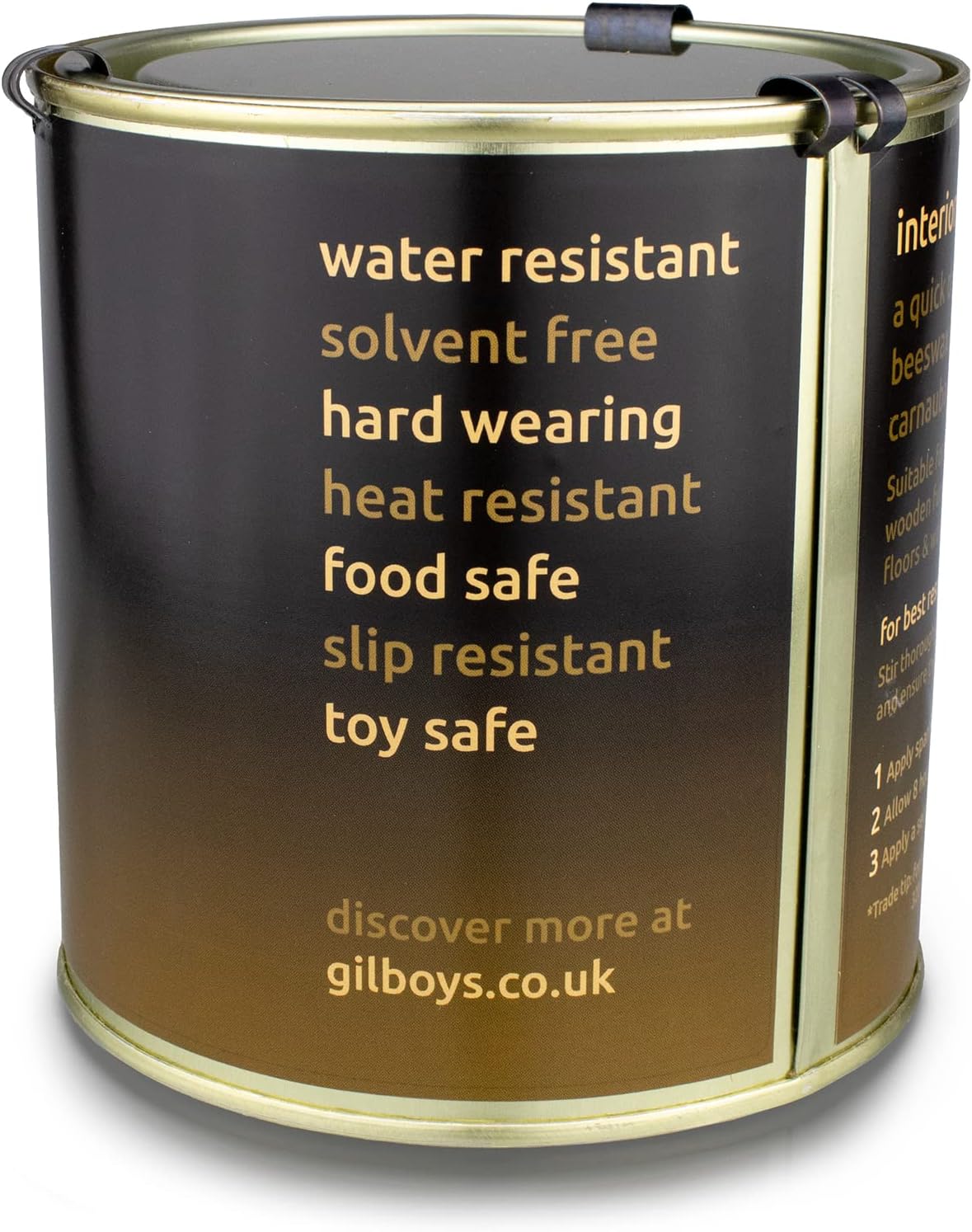
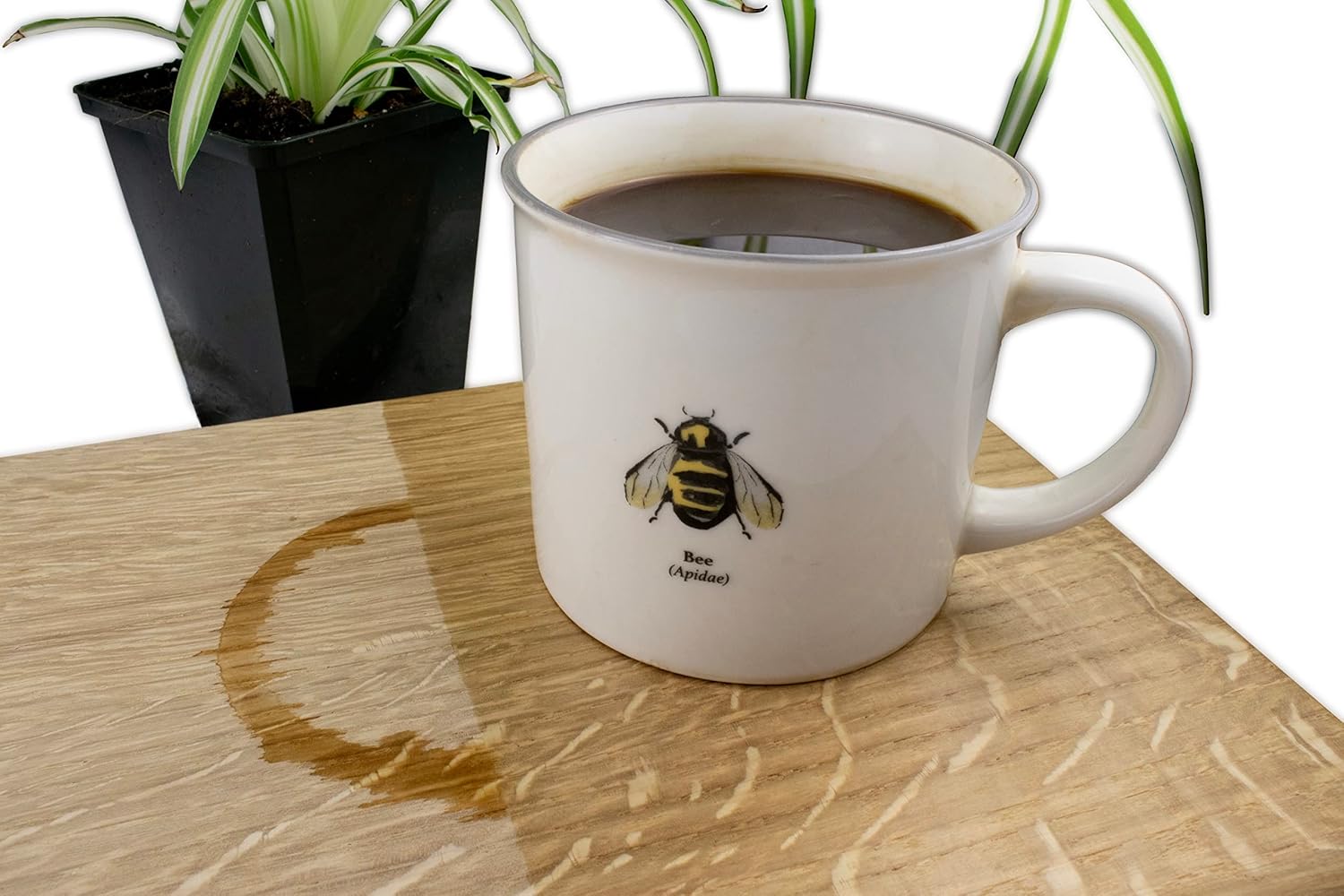
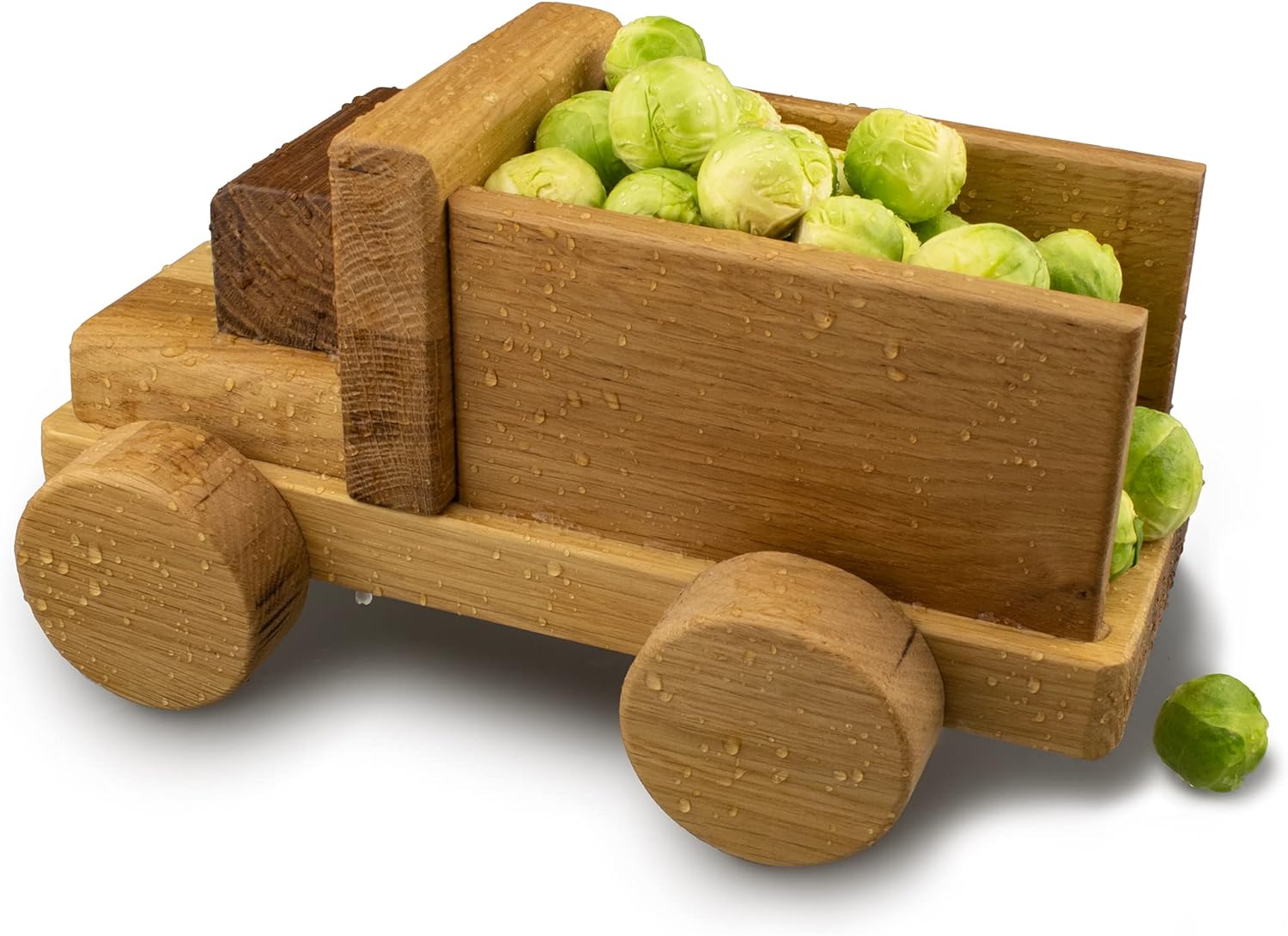
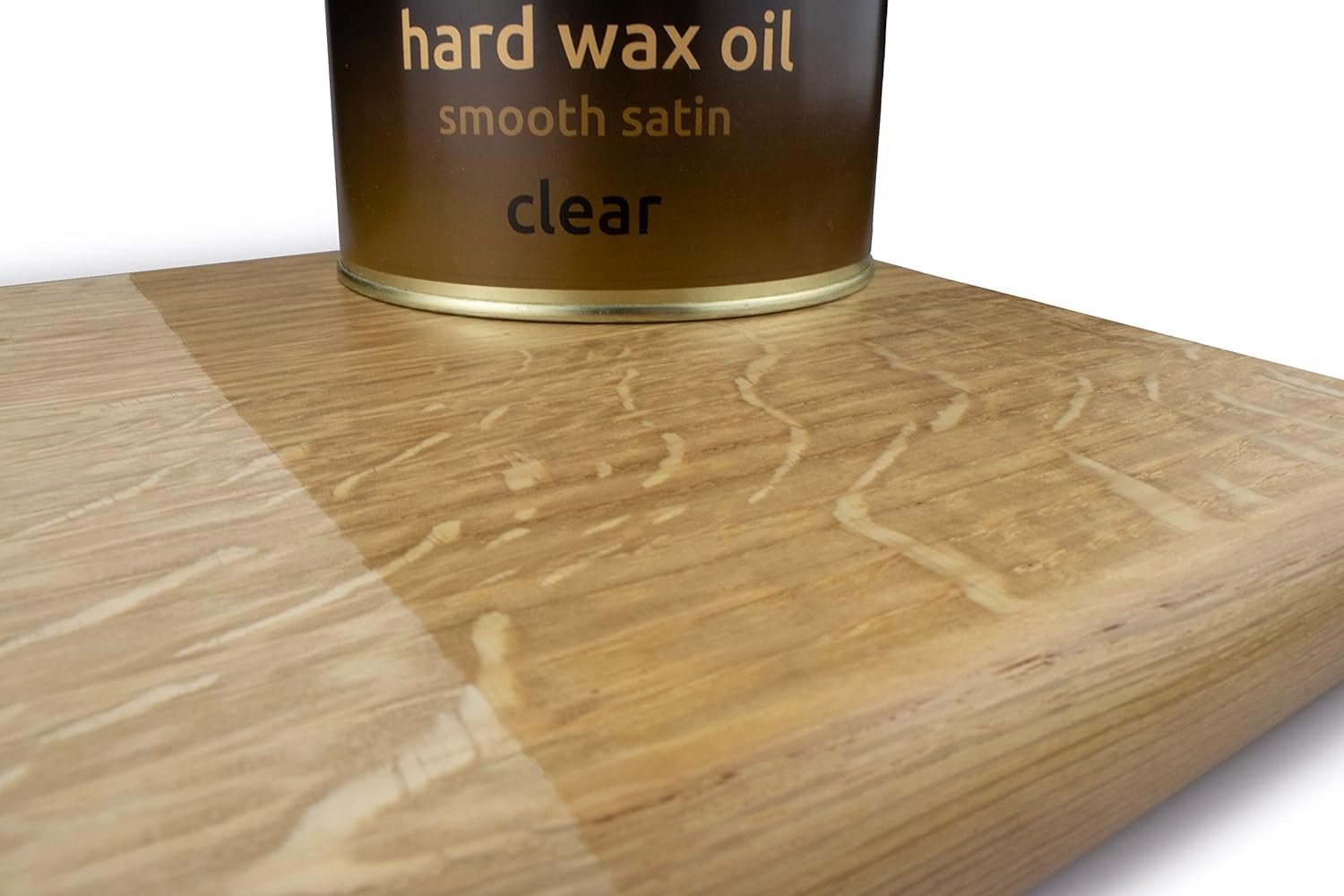
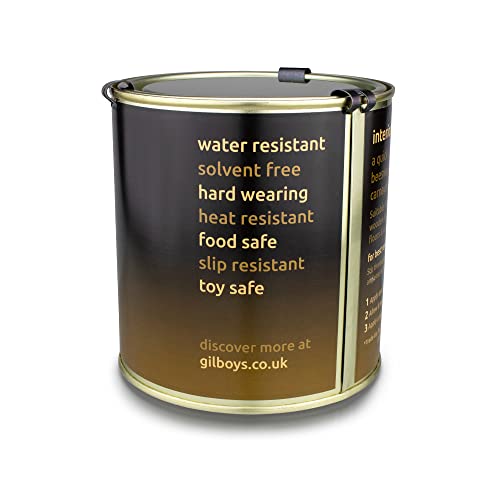
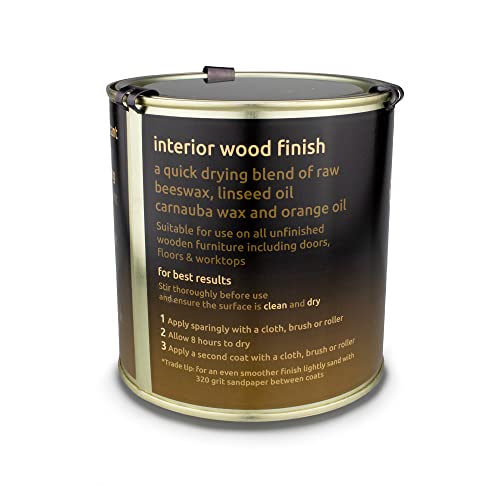
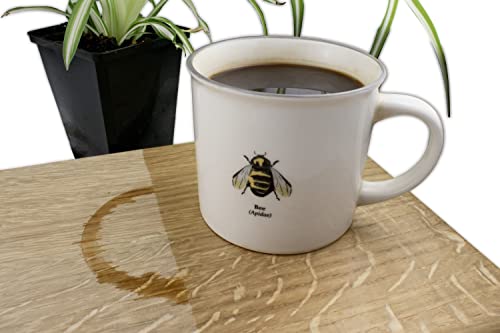
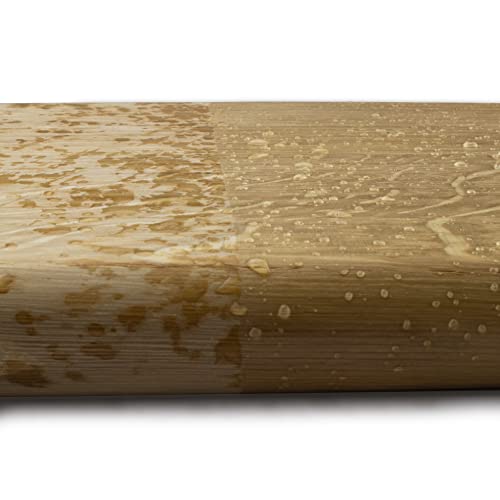
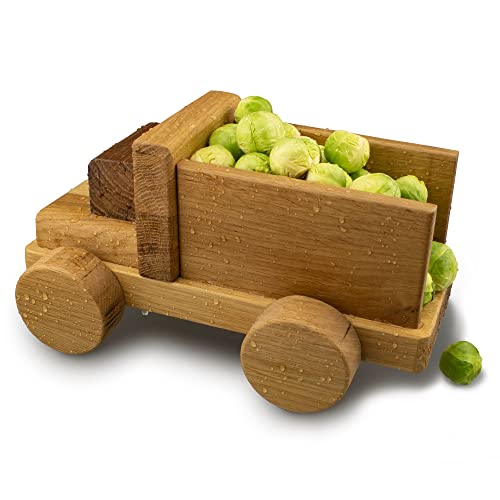
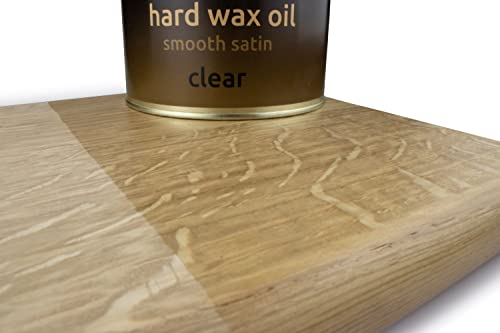
Prime Gilboys Hard Wax Oil - Interior Wood Finish - 500ml - All Natural, Quick Drying, Water & Heat Resistant - Perfect for Sealing & Finishing Kitchen worktops, Stairs, Floors, Doors & Dining Tables…


As an Amazon Associate we earn from qualifying purchases. Product prices and availability are accurate as of the date/time indicated.
Start here: a good finish does more for everyday marks than a harder timber does, which is the practical answer to most hardness questions.
The scale, for the species you will actually meet
| Species | Janka (lbf) | Band | Suits |
|---|---|---|---|
| Balsa | 100 | Very soft | Not furniture |
| Paulownia | 300 | Very soft | Lightweight boxes, drawer bottoms |
| Western red cedar | 350 | Very soft | Outdoor, not surfaces |
| Pine, eastern white | 380 | Soft | Painted furniture, rustic pieces |
| Poplar | 540 | Soft | Painted furniture, carcass work |
| Rubberwood | 960 | Medium | Flat-pack, painted and stained pieces |
| Cherry | 950 | Medium | Fine furniture, dents but ages beautifully |
| Mango | 1,070 | Medium | Sideboards, occasional tables |
| Walnut | 1,010 | Medium | Fine furniture, the classic dark timber |
| Birch, yellow | 1,260 | Medium-hard | Plywood, kitchen and carcass work |
| Teak | 1,070 | Medium | Outdoor and marine, oily |
| Beech | 1,300 | Hard | Chairs, worktops, tool handles |
| Red oak | 1,290 | Hard | The North American default |
| White oak | 1,360 | Hard | Dining tables, flooring |
| Ash | 1,320 | Hard | Chairs, bent work |
| Acacia | 1,700 | Hard | Bowls, table tops, very common now |
| Maple, hard | 1,450 | Hard | Butcher block, chopping surfaces |
| Sheesham (Indian rosewood) | 1,660 | Hard | Imported dining furniture |
| Hickory | 1,820 | Very hard | Chairs, tool handles |
| Brazilian cherry (jatoba) | 2,350 | Very hard | Flooring, difficult to work |
| Ipe | 3,680 | Extremely hard | Decking, blunts tools |
Two figures in that table usually surprise people. Walnut is not hard — at around 1,010 it is softer than red oak, and it dents. And teak is not especially hard either; its reputation comes from its oil content and rot resistance, not its Janka number.
What Janka does not tell you
Four properties matter as much as hardness for furniture, and none of them tracks it.
- Scratch resistance is largely a property of the finish, not the timber. A hard oak table with a thin oil finish scratches more visibly than a soft pine table with a film finish.
- Seasonal movement is about how much the species swells with humidity. Beech is hard and moves a lot; mahogany is softer and moves little. A stable soft timber can make a better wide table top than an unstable hard one.
- How the damage looks. Cherry and walnut dent readily but the marks blend into the colour as the timber darkens. Maple is harder but shows every mark against its pale, even surface.
- Workability. Above about 2,000 the timber blunts tools, splits when screwed without pilot holes, and is difficult to repair. Very hard is not simply better.
This is why a dining table in walnut is a perfectly sensible purchase despite the number, and why hard maple butcher block is chosen for chopping surfaces where the number genuinely is the point.
Using the number when you are choosing
- Set a floor, not a target. For a dining table with children, anything above about 1,200 is fine. Chasing 2,000 buys you very little and costs a lot.
- Match it to the wear. A bedside table sees almost no abuse; a kitchen table sees plates, keys and homework. Use the hard timber where the wear is.
- Weigh the finish equally. A hard wax oil on a medium timber will outperform a bare hard timber for everyday marks, and it is repairable in patches. Which finish suits which species is in our guide to finishes for a solid wood top.
- Check movement separately if the piece is wide. A 1,200 mm solid top in an unstable species needs its fixings designed for it whatever the hardness.
Where the number comes from, and why quoted figures vary
The test presses a steel ball of 11.28 mm diameter — chosen because it gives a contact area of exactly one square centimetre at half depth — into a seasoned board, and records the force at half penetration. The result is reported in pounds-force in the US and in newtons elsewhere; to convert, multiply lbf by 4.45.
Published figures for the same species differ by 10 to 15 per cent between sources, for real reasons: growing conditions, moisture content at the time of testing, and whether the sample was tested on the face or the end grain. Treat any single figure as a band rather than a fact, and do not choose between two species that are 50 points apart on hardness alone.
Species names are the other trap. “Oak” covers red and white oak, which differ by 70 points and behave differently with water. “Mahogany” is applied to several unrelated timbers. “Acacia” covers a large genus with a wide range. Where a species profile exists it will say which one is being sold — see, for example, our guides to rubberwood and poplar.
What helps
- Hard wax oil Does more for everyday marks than a harder timber does On Amazon →
- Moisture meter Movement matters as much as hardness on a wide top On Amazon →
- Touch-up marker set For the dents the number told you to expect On Amazon →
- Digital caliper Two species 50 points apart are the same hardness in practice
What to buy


Questions we get asked
What is a good Janka rating for furniture?
Above about 1,200 for a dining table or anything in daily use; 900 to 1,200 is comfortable for most other furniture. Below 900 the timber dents easily, which is fine on painted or decorative pieces and frustrating on a work surface.
Is a higher Janka rating always better?
No. Above roughly 2,000 the timber becomes hard to work, splits without pilot holes and is difficult to repair, and it is no more stable or scratch-resistant for it. Hardness is one property among several.
Is walnut a hard wood?
Botanically yes, on the Janka scale not particularly — around 1,010, softer than red oak. It dents. It is chosen for colour, grain and how well it ages rather than for hardness, and the dents tend to disappear into the dark surface.
Does Janka measure scratch resistance?
No, and this is the most common misreading. It measures denting. Scratch resistance on a finished piece is mostly a property of the finish, which is why a well-finished medium timber can outperform a bare hard one.
Why do different sites give different Janka numbers?
Because growing conditions, moisture content and test orientation all shift the result, typically by 10 to 15 per cent. Use the figures as bands. Two species within 50 points of each other are, for furniture purposes, the same hardness.

