Replacing Chair Legs: Why They Fail Differently to Table Legs
The Wooden Stars is a participant in the Amazon Services LLC Associates Program. We may earn a commission when you buy through links on our site, at no extra cost to you.
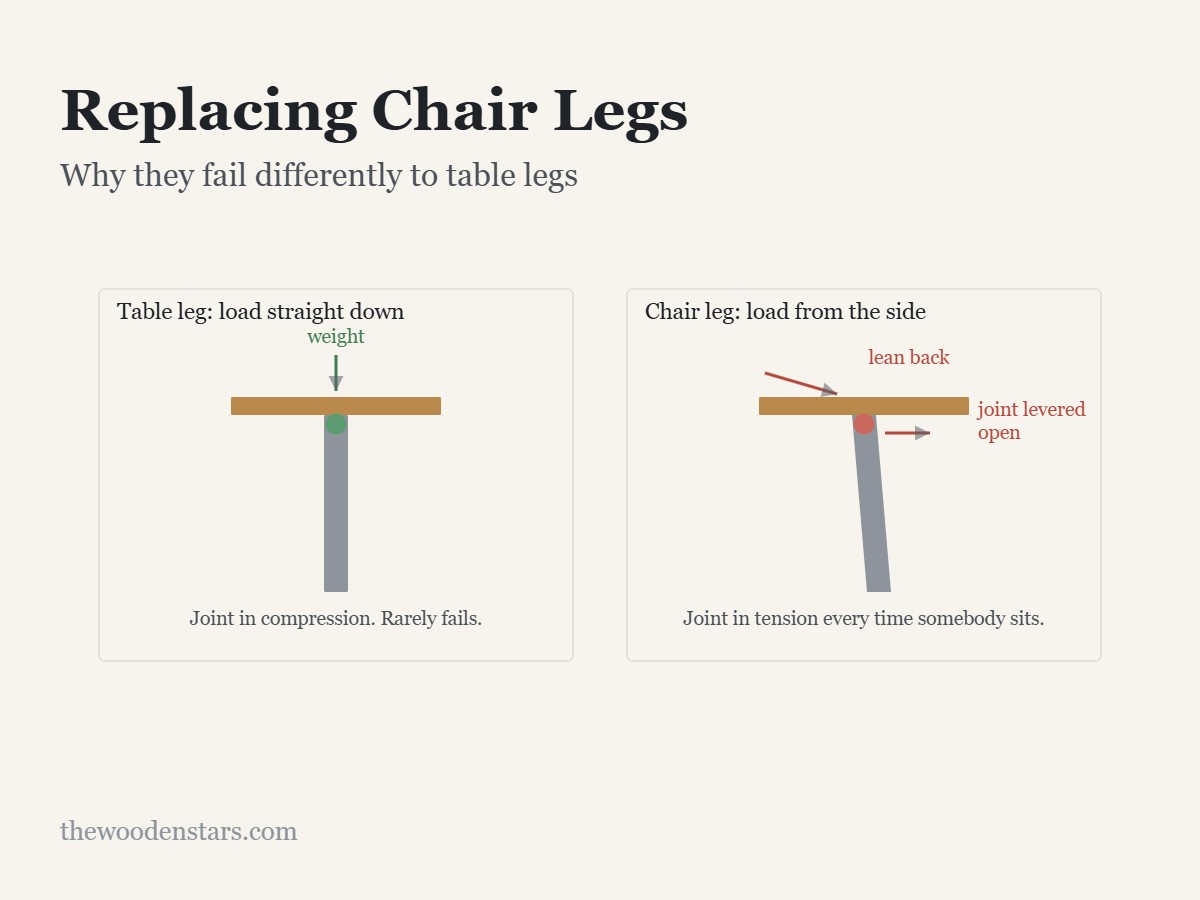
Chair legs and table legs look like the same part. They are not, and the difference is the reason chairs fail so much more often than tables.
A table leg carries weight straight down a vertical line. A chair leg gets pushed sideways every time somebody sits down, leans back, or drags the chair in to the table. That side load lands on the joint at the top of the leg, and the joint is what gives way — usually long before the leg itself is damaged.
Before buying a replacement leg, check whether the leg is actually broken. In most cases it is not: the joint has loosened, and re-gluing it properly is stronger and cheaper than any replacement. Replace the leg only when the timber is cracked through, the tenon has snapped off inside the mortise, or the leg is missing. If you do replace one, understand that most dining chairs use joined legs — mortise and tenon or dowels into a seat frame — not screw-in legs, so a set of threaded legs will not fit without adding mounting plates and accepting a much weaker chair.

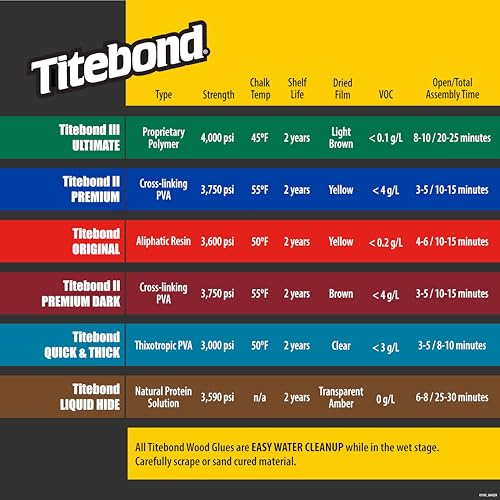
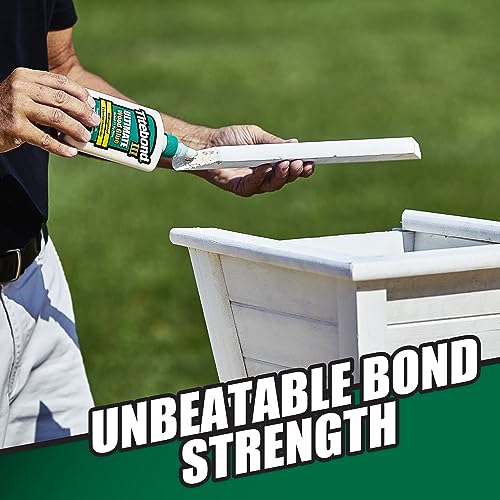
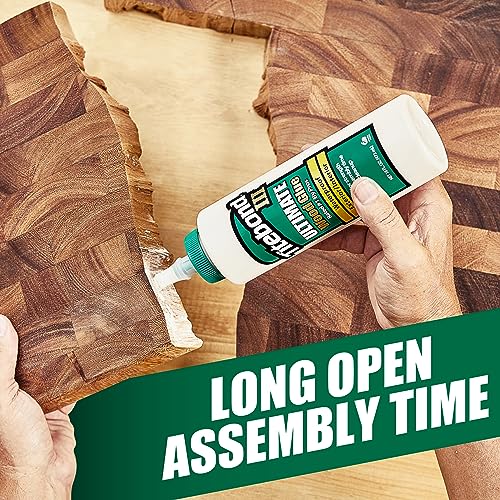
Prime Titebond III Ultimate Wood Glue, 16-Ounces #1414




As an Amazon Associate we earn from qualifying purchases. Product prices and availability are accurate as of the date/time indicated.
Start here: try glue before you buy legs. A wobble with no crack is failed glue, and re-gluing is both stronger and cheaper than replacing.
Diagnose before you buy anything
Turn the chair upside down on a table and work through these in order. Two minutes here decides whether this is a five-pound job or a fifty-pound one.
- Grip the leg and rock it. Movement with no cracking sound, and a dark line visible at the joint, means a loose joint. This is the common case.
- Look for a crack running along the grain near the top of the leg. A split tenon still held by glue is a repair; a leg split along its length is a replacement.
- Press the joint together with your hands. If it closes fully and cleanly, re-gluing will hold. If something stops it closing, a broken tenon is jammed inside.
- Check the other three legs. Chairs fail as a set — the one that broke was carrying the others’ slack. Repairing one and ignoring three means doing this again in a year.
| What you find | Cause | Fix | Cost |
|---|---|---|---|
| Wobble, dark line at joint, no crack | Glue failed | Re-glue the joint | Very low |
| Wobble, joint will not close | Tenon broken inside | Drill out and dowel, or replace leg | Low |
| Crack along the leg’s grain | Timber split | Replace the leg | Medium |
| Leg snapped across | Impact damage | Replace the leg | Medium |
| Seat frame itself moving | Frame joints loose | Re-glue the whole frame | Low, but slow |
| Screw-in leg pulling out | Insert stripped | Larger insert, or a mounting plate | Low |
Why re-gluing beats replacing, when it applies
A mortise and tenon joint in good condition is stronger than the timber around it. When it fails, it is almost always the glue that has failed rather than the wood — old animal glue crystallises, and modern PVA creeps under sustained load.
Re-gluing restores the original strength, keeps the chair matching, and costs the price of a bottle of glue. A replacement leg on a chair designed for joined legs cannot match that, because you are converting a joint that resists racking into one that mostly does not.
The one thing that must be done properly is cleaning out the old glue. New glue will not bond to old, and a joint clamped up over hardened glue holds for weeks rather than years. The full method is in our guide to re-gluing a loose chair or table joint.
When replacement is genuinely the answer
Three cases, and they are worth being honest about.
- The leg is split along the grain. Glue can close a split, but the leg will be weaker at exactly the point that takes side load. On a chair, replace it.
- The tenon has snapped off inside the mortise. Sometimes worth drilling out and fitting dowels; often not worth the hours on a mass-market chair.
- The chair uses screw-in legs. Many modern chairs and stools do, and replacement is genuinely simple — the leg is a consumable part.
Replacing a screw-in chair leg
If your chair does take threaded legs, the same rules apply as for any table, and they are set out in our guide to table legs: measure the thread with a caliper, because 5/16 inch-18 and M8 look identical and will not cross-fit.
Two things are specific to chairs.
- The insert must be in solid timber, and it must be sound. Side load levers on an insert far harder than a table’s straight-down weight, so an insert that was marginal in a table is inadequate in a chair. If the old one spins in its hole, go up a size or fit a plate.
- Angled legs need an angled plate. A chair leg is rarely vertical. Fitting a straight plate to an angled position puts a bending load into the stud, which is what shears them off.
Where a chair originally had joined legs and you are converting to screw-in, add a corner block inside the seat frame and mount to that rather than into the frame rail. The block gives the fixing four times the timber to grip.
Replacing a joined leg
Harder, and worth attempting on a chair worth keeping.
- Take the whole chair apart rather than just the broken leg. Removing one leg from a frame that is glued elsewhere usually breaks something else.
- Use the old leg as the pattern, including the tenon shoulders. The shoulder position sets the seat height and the splay angle; get it wrong and the chair rocks.
- Match the species, not just the colour. A different timber will move differently with humidity and the joint will loosen again.
- Dry-fit the entire chair before any glue goes on. Once glue is applied you have minutes, and a chair has eight or more joints closing at once.
- Clamp with a band or strap clamp around the whole frame, then check the chair sits flat on a level surface before the glue sets.
What to buy
- Wood glue, Titebond III The fix for the common case, which is a loose joint not a broken leg On Amazon →
- Band clamp Closes eight joints at once, which sash clamps cannot On Amazon →
- Leg mounting plates For a screw-in chair, or with a corner block on a joined one On Amazon →
- Felt pads Cuts the shock every time the chair is pushed in On Amazon →
- Threaded inserts, 5/16 in-18 One size up where the old insert spins in its hole
What to buy


Stopping it happening again
- Never drag a chair by the back. That is the single biggest source of side load, and it goes straight into the rear leg joints.
- Fit felt pads. They reduce the shock every time the chair is pushed in, and they stop the leg ends splitting on a hard floor.
- Re-glue the whole set when one fails. The others are on the same clock.
- Check corner blocks. Many chairs have a triangular block inside each corner of the seat frame; a loose block is often the real reason a leg feels wobbly.
Questions we get asked
Can you replace just one chair leg?
On a screw-in chair, yes, easily. On a chair with joined legs, you can, but you usually have to dismantle the whole chair to do it, and the other three joints will be nearly as tired as the one that failed. Plan on re-gluing everything while it is apart.
My chair leg is wobbly but not broken. What now?
Re-glue the joint. A wobble with no crack is failed glue, not a failed leg, and re-gluing restores full strength for the price of a bottle of glue. The critical step is removing every trace of old glue first, because new glue will not bond to it.
Are chair legs and table legs interchangeable?
Physically sometimes, structurally no. Chair legs take side load through the joint at the top, so they are usually joined into a frame rather than screwed to a plate. Fitting screw-in table legs to a chair designed for joined legs gives a chair that will loosen quickly unless you add corner blocks.
What thread do screw-in chair legs use?
The same as table legs, most often 5/16 inch-18 UNC or M8. They look identical and do not cross-fit, so measure an existing stud with a caliper before ordering. Angled legs also need angled plates, or the stud takes a bending load it is not designed for.
Is it worth repairing a cheap dining chair?
If the joints are loose, yes — an hour and some glue gives you a chair as strong as new. If the timber is split, or the chair is stapled and dowelled rather than properly jointed, the repair often costs more in time than the chair is worth. The test is whether the joints close cleanly when pressed together.