Wooden Bed Frame Squeaking? It Is a Joint, Not a Board
The Wooden Stars is a participant in the Amazon Services LLC Associates Program. We may earn a commission when you buy through links on our site, at no extra cost to you.
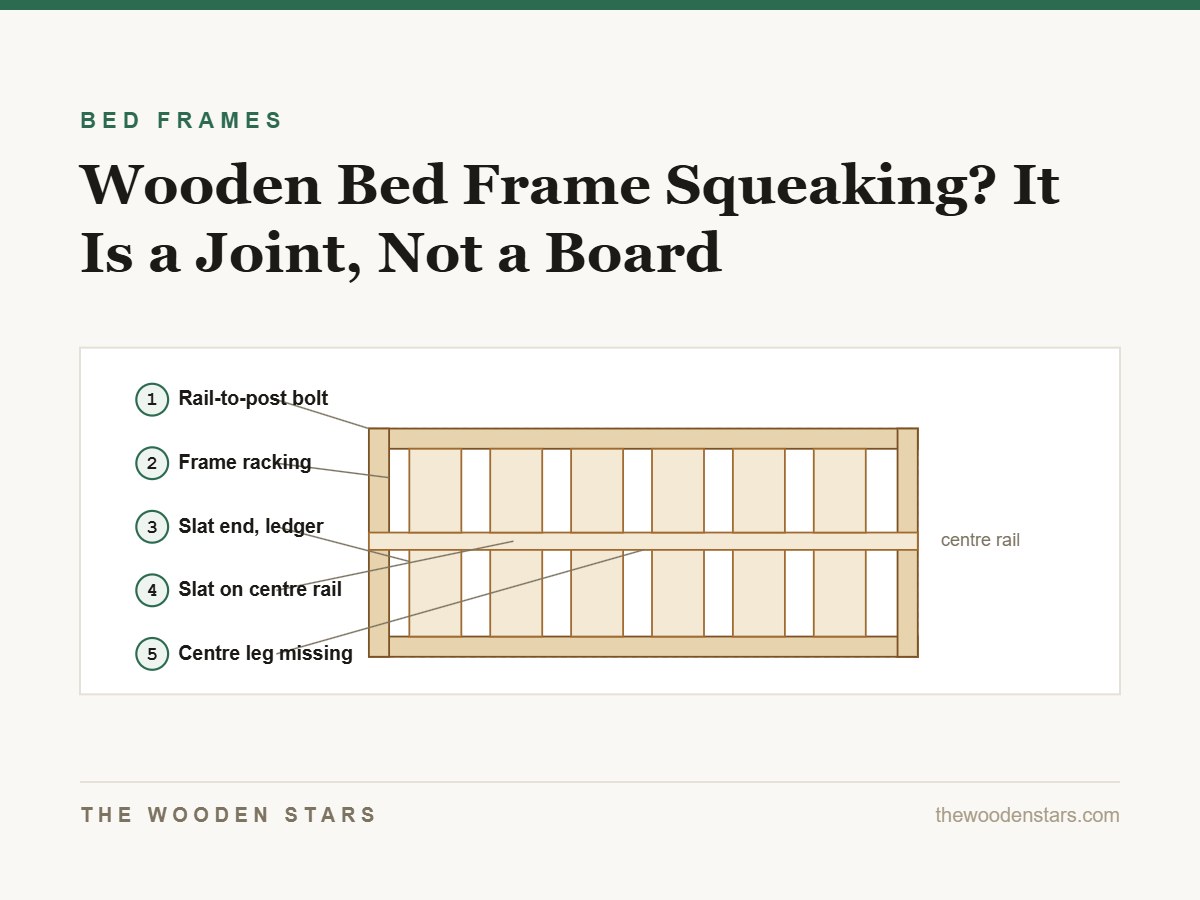
A squeaking wooden bed is one of the few furniture faults where the noise tells you exactly where the problem is, if you know how to listen. Almost every bed squeak comes from one of four places, and only one of them involves the mattress.
The instinct is to tighten everything. That is the right instinct and the wrong order — tightening a frame that is out of square locks the misalignment in, and the squeak comes back within a week.
Locate the noise first: press on each corner of the frame in turn with the mattress off. A squeak at the rail-to-post joint means loose bolts — take them all out, square the frame, and retighten in a cross pattern. A squeak under the slats is wood rubbing on wood: wax the contact faces or fit slat holders. A squeak in the middle usually means a missing or too-short centre support leg.
Start here: the thump in the middle of the bed is a missing centre leg, and it is the one part most beds ship with and then lose.

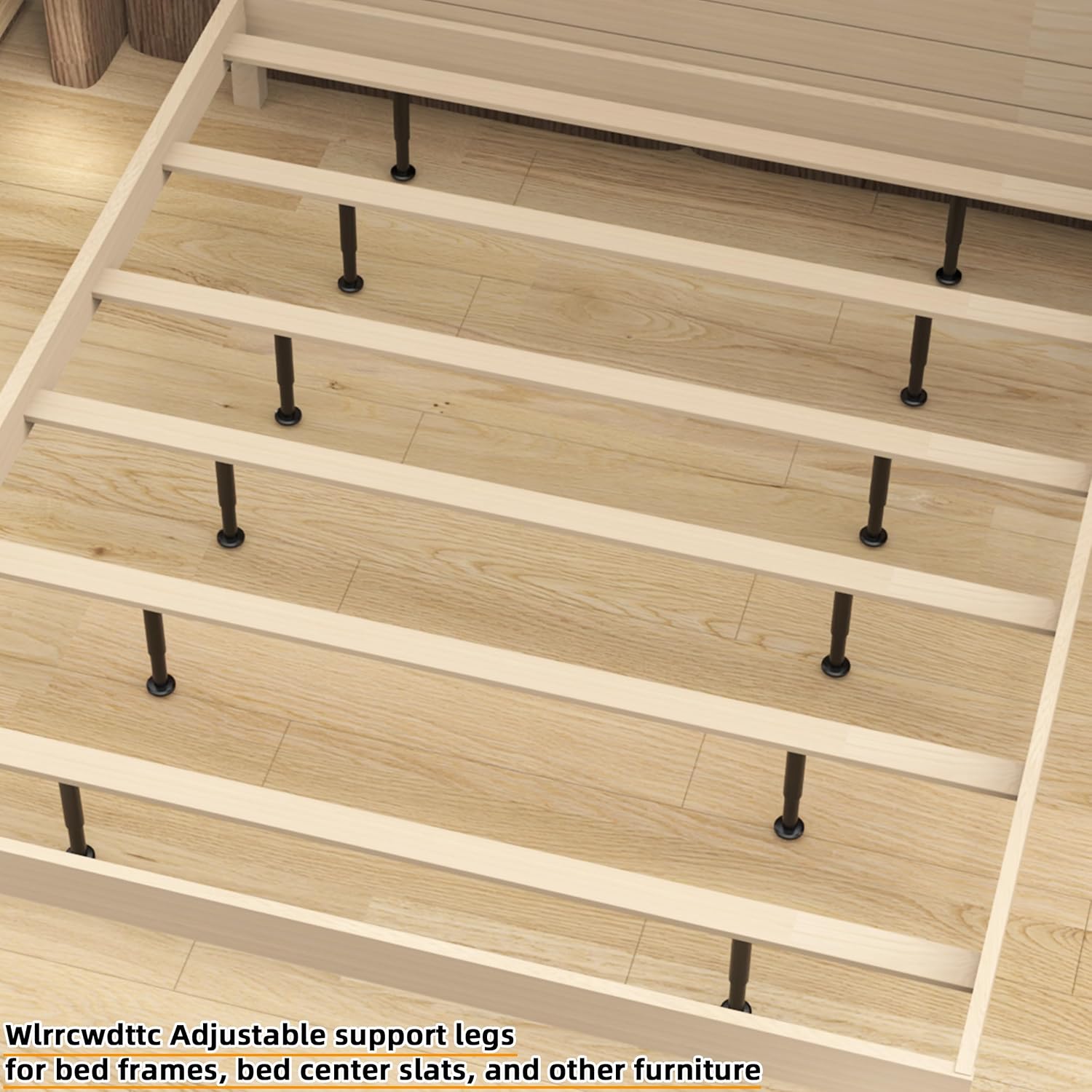
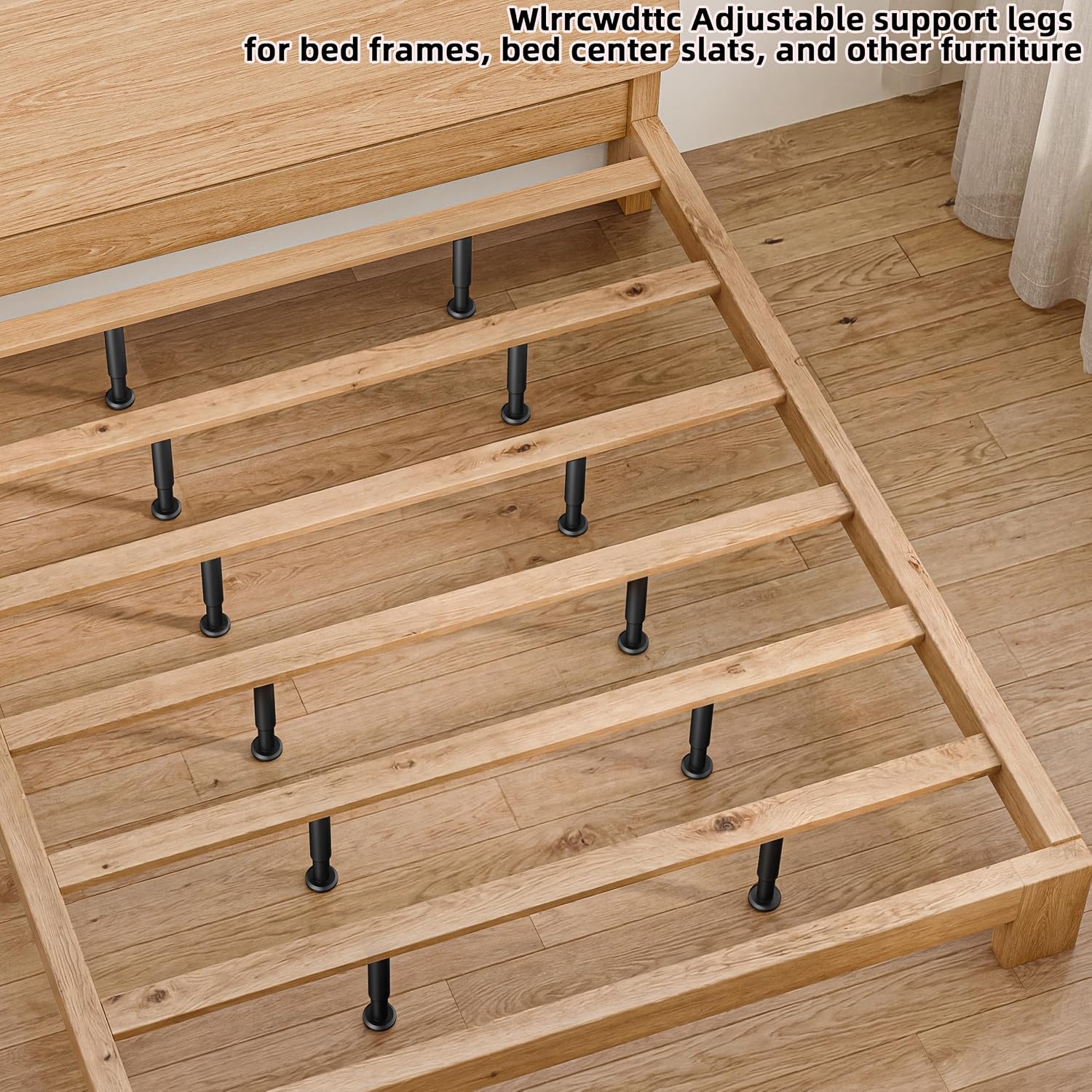
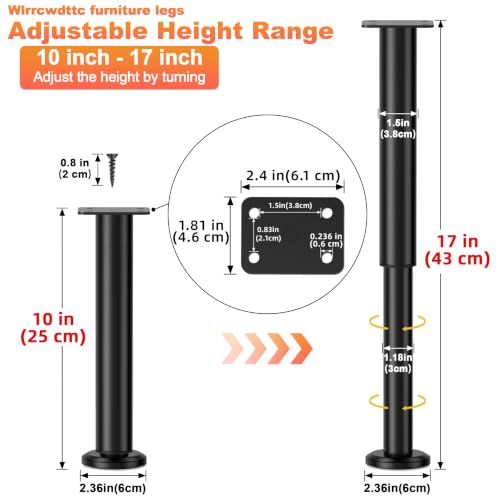
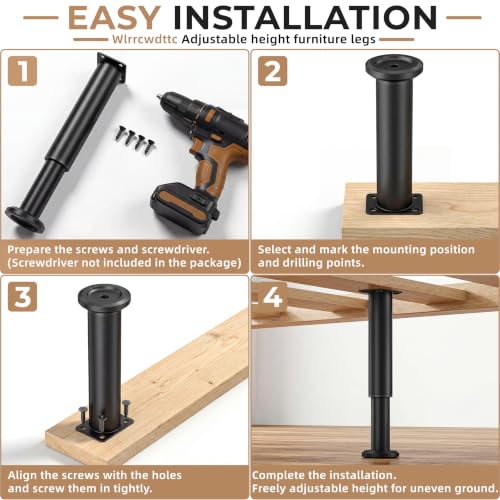
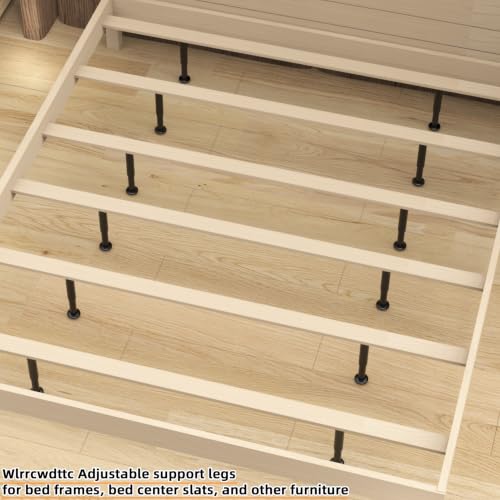
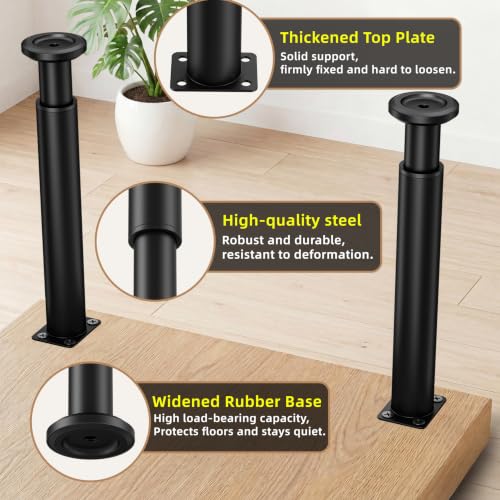
Prime Wlrrcwdttc 4 Pcs Adjustable Bed Center Support Legs 10-17 inch for Bed Frame/Bed Center Slat, Metal Adjustable Furniture Legs for Bed/Cabinet/Sofa/Dresser/Couch/Table,Heavy Duty Bed Replacement Legs










Find the noise before you fix anything
Strip the bed to the frame. Then, one at a time:
- Press down hard on each corner. A creak here is the rail-to-post joint.
- Push each corner sideways. Movement means the frame is racking — the joint is loose even if the bolt feels tight.
- Press on each slat individually, near both ends and in the middle. A squeak at the end is the slat against the ledger; in the middle it is the slat against the centre rail.
- Rock the headboard. Headboard bolts are the most commonly under-tightened fixing on any bed.
- Check the centre leg if there is one. A leg 3 mm short of the floor does nothing at all until you lie down, and then it taps.
Write down where the noises are before you touch a spanner. You will lose track otherwise, and a bed that squeaks in two places sounds like a bed that squeaks everywhere.
The four causes, and their fixes
| Where | What it is | Fix |
|---|---|---|
| Corner, on downward load | Loose rail bolt or worn bolt hole | Loosen all, square frame, retighten in a cross pattern |
| Corner, on sideways push | Frame racking — joint or bracket worn | Bolt through with washers, or add a corner brace |
| Slat ends | Wood on wood at the ledger | Slat holders, felt tape, or wax on the contact face |
| Slat middle | Slat rubbing the centre rail | Wax, or a felt strip along the rail |
| Centre of the bed, thump not squeak | Centre leg missing or short | Adjustable centre support leg |
| Headboard | Under-tightened headboard bolts | Retighten; add washers if the holes have worn |
| Under the mattress, not the frame | Mattress or foundation, not the bed | Rotate the mattress; check the foundation separately |
Loose bolts: the sequence matters
Do not just nip up the bolt that feels loose. A bed frame is four rails and four posts, and if it has settled out of square, tightening one corner pulls the others further out. Instead:
- Loosen every bolt on the frame, but do not remove them.
- Measure both diagonals of the frame and push it until they match. That is what square means.
- Tighten in a cross pattern — front-left, back-right, front-right, back-left — a little at a time, like wheel nuts.
- Add a washer under every bolt head that does not have one. Washers spread load and stop the bolt head sinking into the wood, which is what causes a “tight” bolt to be loose two months later.
If a bolt spins without tightening, the barrel nut or insert behind it has stripped. Replacing the hardware with a longer bolt and a nut on the far side is a stronger fix than trying to re-cut the same thread.
Slat noise: wax before you buy anything
Wood sliding on wood squeaks; wood sliding on waxed wood does not. Rub a paste wax or a plain candle along the ledger where the slat ends sit, and along the top of the centre rail. This costs nothing and silences a majority of slat squeaks in about five minutes.
If the slats are also loose enough to shift sideways, they need holding. Plastic slat holders — the caps that grip the slat end and sit in the ledger — do both jobs: they stop the movement and they put a plastic-to-wood interface where the wood-to-wood one was. Sprung slats on European frames use these as standard, and they are a common failure part.
The centre support leg
Any bed wider than a double needs a centre rail, and a centre rail needs at least one leg to the floor — often two or three on a king. This is the part most likely to be missing entirely, because it ships loose in the box and gets lost during assembly.
The symptom is distinctive: a thump or a deep creak from the middle of the bed rather than a squeak from the edges, and a mattress that dips slightly in the centre. Adjustable legs solve it and let you set the height so the leg is in firm contact without lifting the rail. There is more detail, including how many legs each size needs, in our guide to bed frame centre support legs.
What this repair actually takes
- Headboard and footboard hardware kit Replace stripped or missing frame bolts On Amazon →
- Bed slat holders Stop slat ends shifting and squeaking On Amazon →
- Paste wax The five-minute fix for wood-on-wood noise On Amazon →
- Adjustable centre support legs For the thump in the middle of the bed On Amazon →
- Socket set or hex keys Bed bolts are usually hex socket, 4–6 mm
What to buy
Legs for a thump in the middle, slat holders for a squeak at the edges, and the hardware kit if a bolt spins without tightening.


The annual ten minutes that prevents all of this
A wooden bed is the one piece of furniture in the house that gets loaded and unloaded twice a day, every day, for years. Nothing else in the room takes that many cycles. Ten minutes once a year keeps it silent:
- Retighten every bolt — in a cross pattern, not one at a time, and add a washer anywhere one is missing.
- Re-wax the slat contact faces. Wax wears off; the squeak comes back exactly where it was.
- Check the centre leg is still touching the floor. Unlocked adjusters walk themselves shorter.
- Rotate the mattress while the bed is stripped, since you are already there.
- Look for a slat that has taken a permanent downward set. That is an early warning of the spacing problem in our guide to slat replacement, and it is much cheaper to fix before the slat breaks.
Do it a month after assembling any new bed, too. New frames settle as the timber compresses under the bolt heads, and that first retighten prevents most of the squeaks that would otherwise arrive in year two.
Two things people blame that are usually innocent
The mattress. A foam or latex mattress cannot squeak — there is nothing in it to rub. An innerspring can, but it is rare and it sounds different: a metallic twang rather than a wooden creak. Test by putting the mattress on the floor for a night. If the noise goes, it was the frame.
The wood being cheap. Pine frames squeak more than oak frames, but not because pine is worse — because pine is softer, so bolt heads sink into it and joints work loose faster. Washers and a periodic retighten fix a pine frame perfectly well. What genuinely does matter is whether the frame uses bolts into metal inserts, or screws straight into wood.
Questions we get asked
How often should I retighten a wooden bed?
Once a year, and once more about a month after assembling a new one. New frames settle: the wood compresses slightly under the bolt heads and every joint loses a fraction of a turn. That first retighten prevents most of the squeaks that appear in the second year.
Will WD-40 stop a bed squeaking?
Briefly, and then it makes things worse. It is a solvent, not a lubricant — it evaporates and leaves the joint drier than before, and it soaks into bare wood where it will interfere with any glue repair later. Use paste wax or a dry PTFE lubricant on wood.
Can I add felt or rubber between the slats and the frame?
Yes, and it works well. Adhesive felt tape along the ledger, or thin rubber strip, puts a soft interface exactly where the noise is made. The only caution is thickness: 3 mm of felt under every slat raises the mattress noticeably and can loosen the slats sideways in their ledger.
My slats are bowed. Is that the cause?
It can be, and it is also a load warning. Sprung slats are meant to be slightly bowed, always upward. Flat slats that have taken a permanent downward set are overloaded — either the spacing is too wide or the slats are too thin. Our guide to slat replacement and spacing gives the practical spacing limits.
The bed only squeaks when someone gets in or out, not during the night. Why?
Because the noise is caused by the frame flexing, and it only flexes when the load changes. That points firmly at a loose joint or a racking frame rather than at slats or the mattress. Start with the bolt sequence above.