How to Fix a Wobbly Wooden Desk: Wobble Is a Joint Problem
The Wooden Stars is a participant in the Amazon Services LLC Associates Program. We may earn a commission when you buy through links on our site, at no extra cost to you.
A wobbling desk is more annoying than a wobbling table because you are looking at it. A monitor shivers every time you type; a mug rings against the top when you lean. And unlike a dining table, a desk gets loaded asymmetrically all day — one elbow, one forearm, weight pushed toward the back edge — which is precisely the load that finds a weak joint.
Wobble in a wooden desk is a joint problem in nine cases out of ten. It is a floor problem in the tenth, and worth ruling that out first because it takes thirty seconds.
Rule out the floor with a spirit level and by rotating the desk. Then find the movement: grab each leg and rock it against the apron. Movement at the joint line means a failed glue joint or a loose bolt — re-glue or replace the fixing, and add steel corner braces. Movement with no visible joint gap usually means the desk has no diagonal stiffness at all, which braces fix and tightening does not.
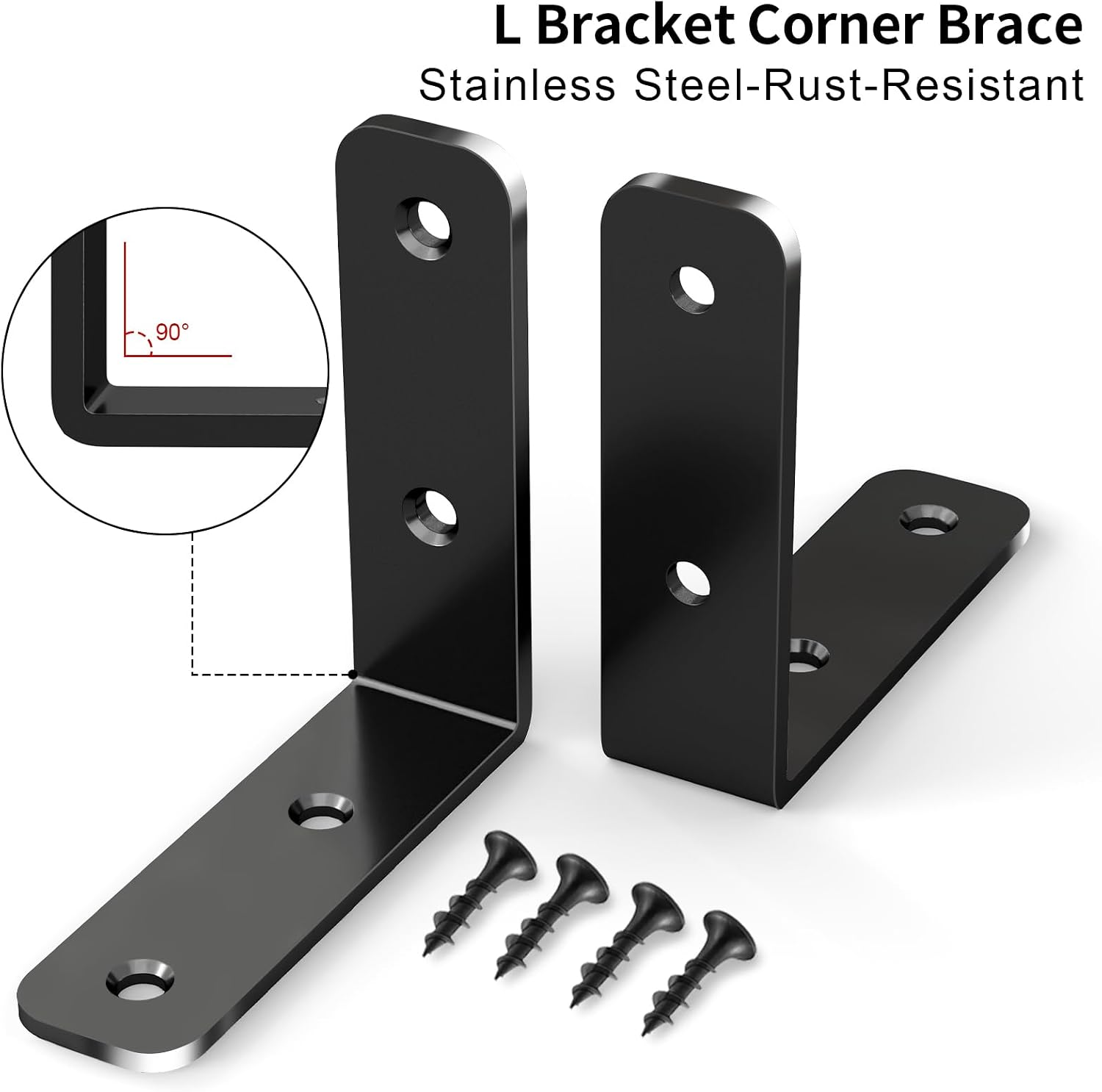
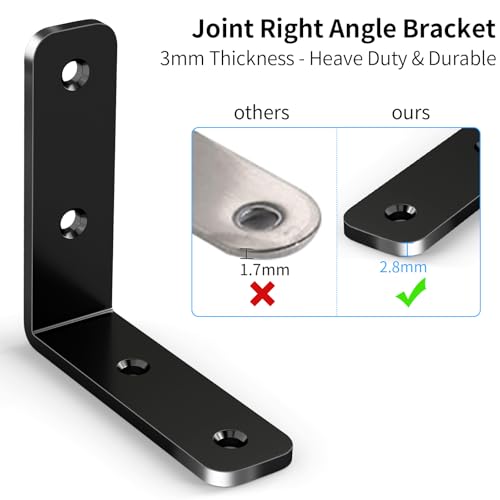
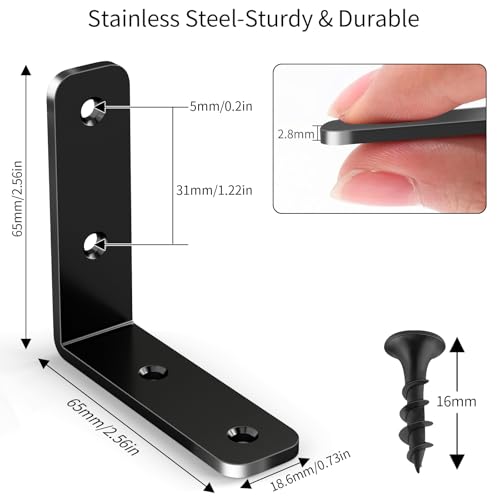
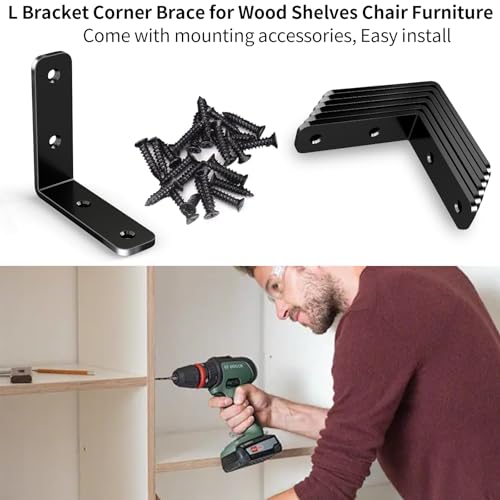
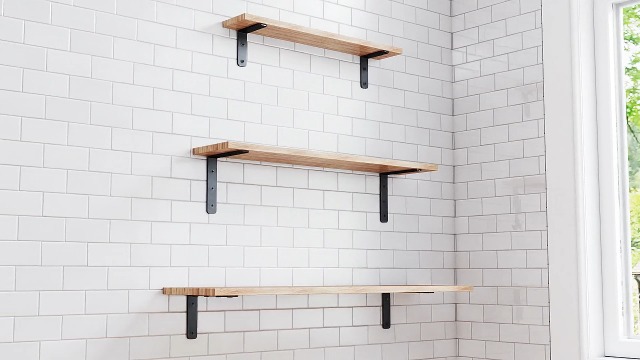
Start here: 65 mm braces are the cheapest real stiffness you can add, and bigger genuinely carries more than smaller here.

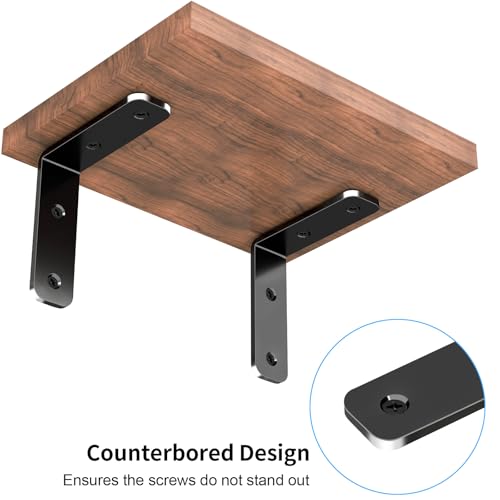
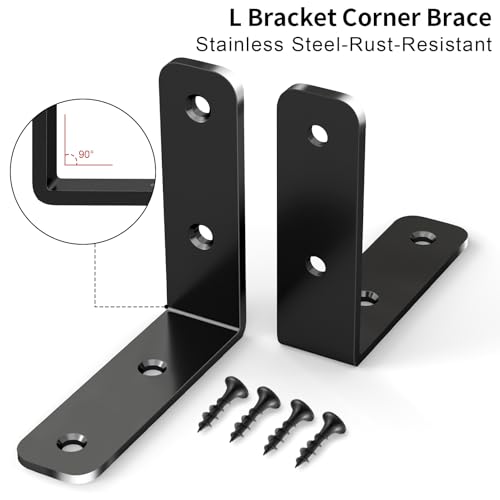
Prime YUMORE 65mm L Corner Brace, Heavy Duty 90° Bracket, Black, 6 Pcs



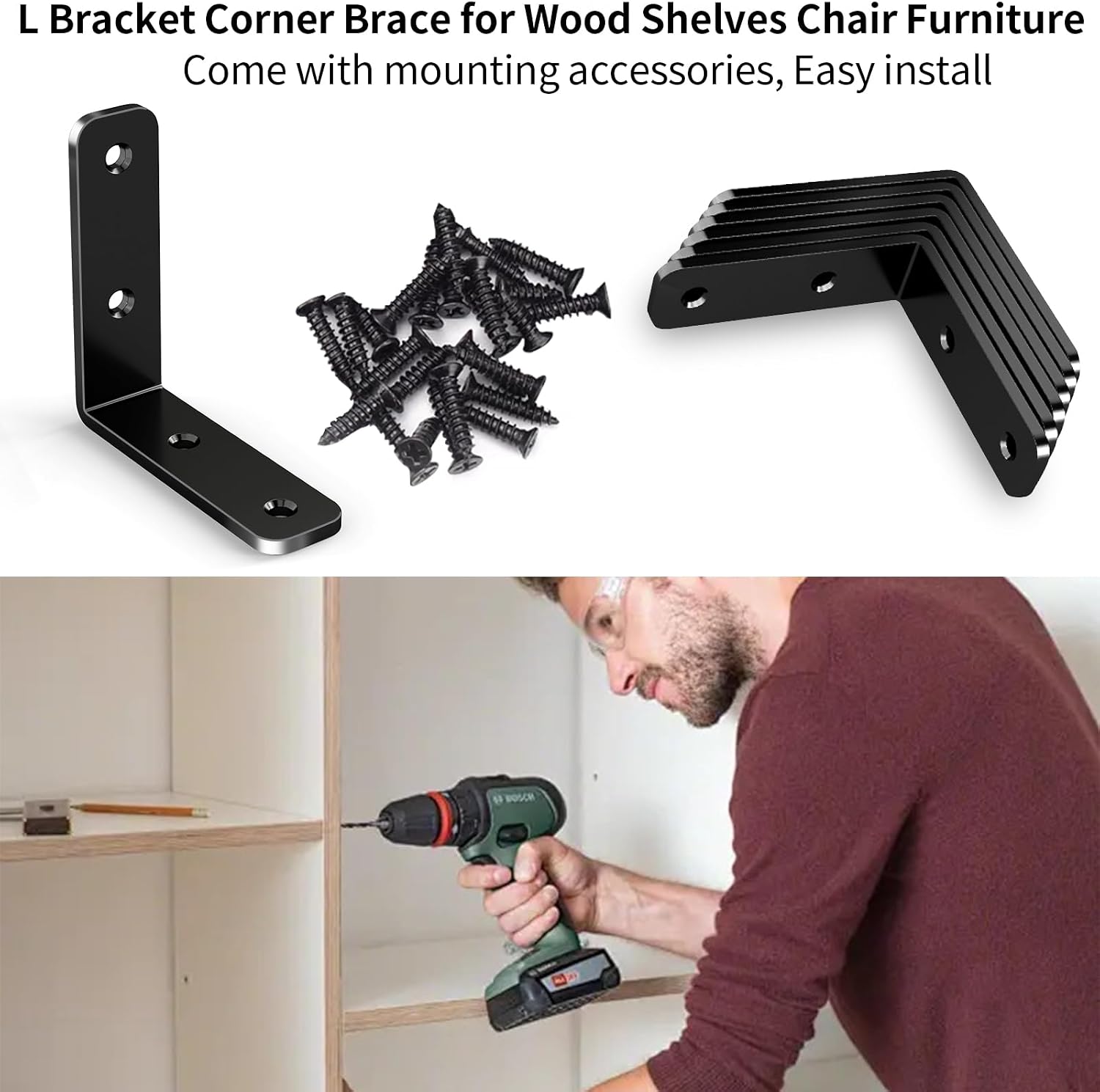

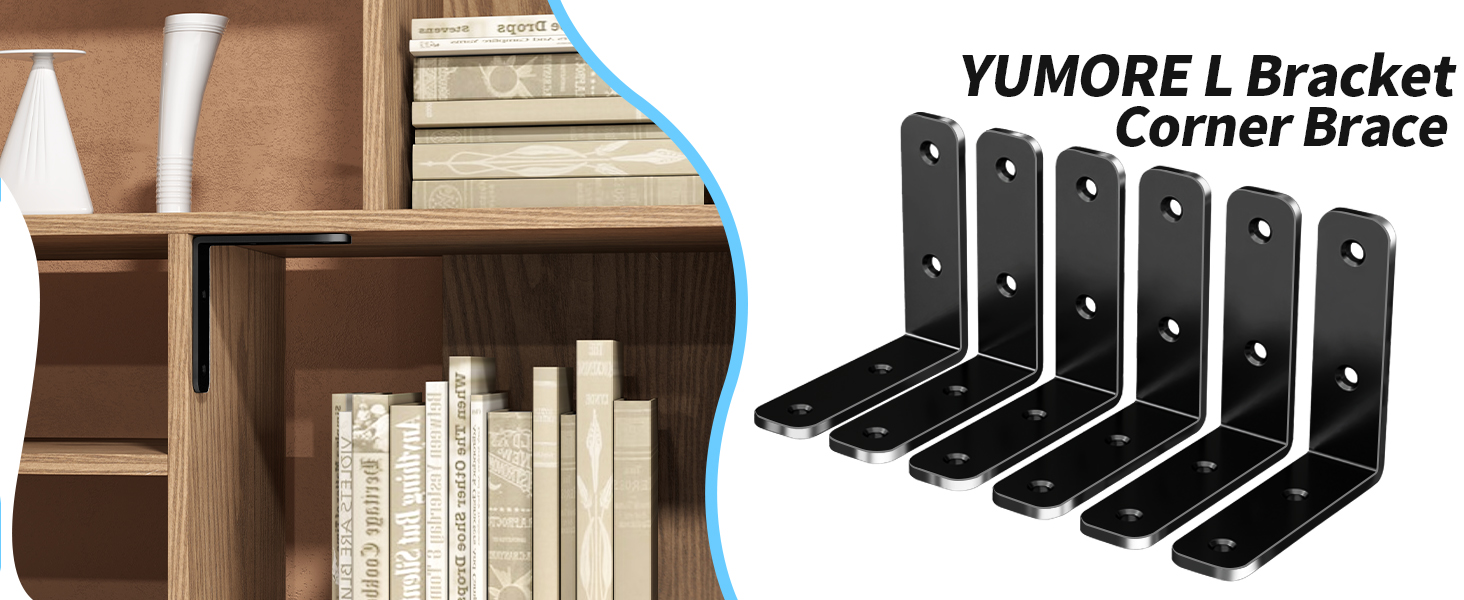
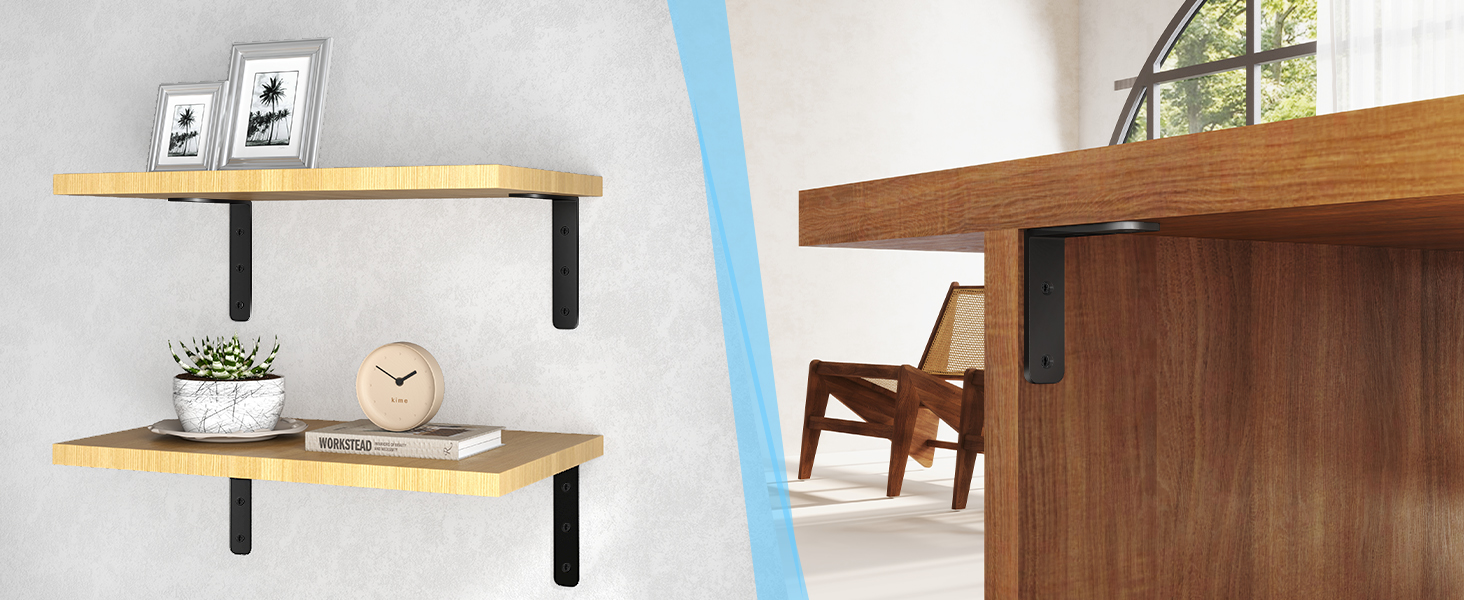
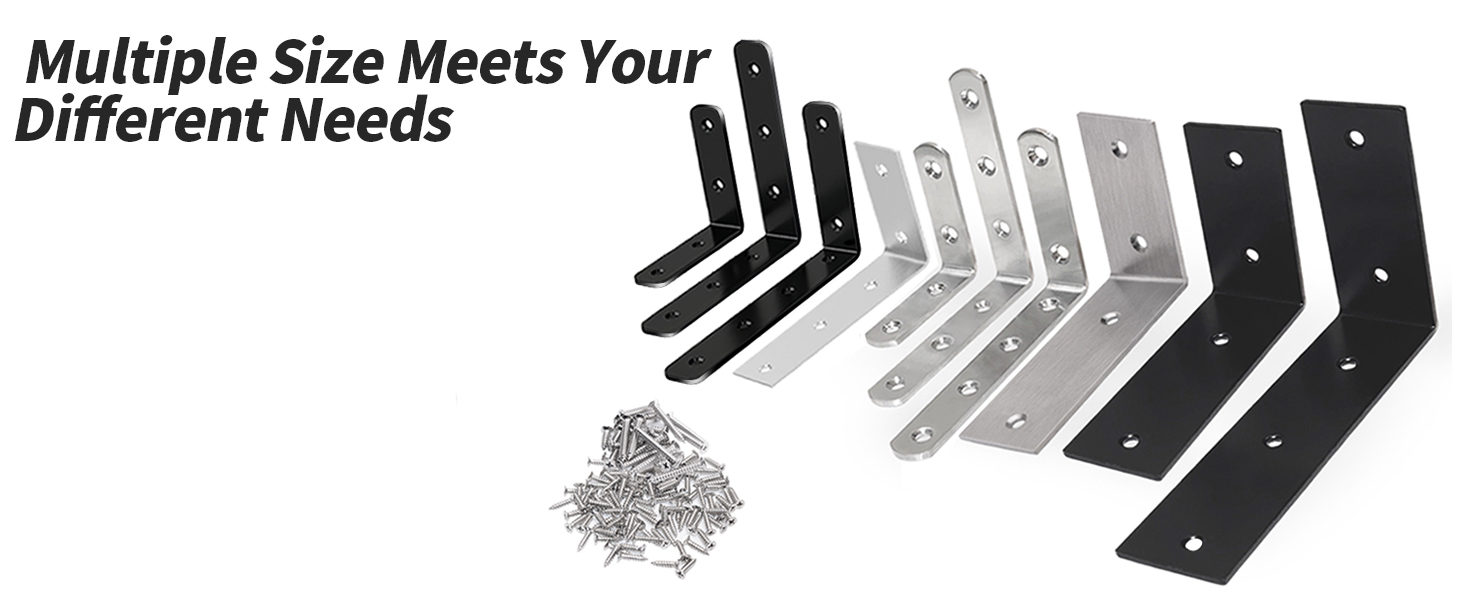
Find where the movement is
Clear the desk. Then, in order:
- Rotate the desk 90 degrees. If the wobble stays with the room, it is the floor.
- Push the top sideways (side to side) and then front to back. Most desks are much weaker in one direction, and that tells you which joints to look at.
- Grab each leg and rock it against the apron or the top. Any movement at the joint line is a joint failure.
- Push on the top while watching the joints. Sometimes the joints are tight and the top is moving relative to the frame — a different fault with a different fix.
- Check every bolt. A bolt that spins without tightening has a stripped insert behind it.
Write down which direction the wobble is in. A desk that racks side to side and is solid front to back needs bracing in one plane only, which is half the work.
The five causes, in order of likelihood
| Cause | Sign | Fix |
|---|---|---|
| Loose leg-to-apron joint | Movement at the joint line | Re-glue properly; add a corner brace |
| Stripped bolt insert | Bolt spins, never tightens | Larger threaded insert |
| No diagonal stiffness | Joints tight, whole frame parallelograms | Steel corner braces or a stretcher |
| Top not fixed down firmly | Top moves relative to the frame | Refit fasteners; check they are the right type |
| Uneven floor | Wobble stays in one spot in the room | Levelling feet |
| Leg splayed or cracked | Visible at the foot | Repair or replace the leg |
Loose joints
The proper repair is to take the joint apart, clean both faces of old glue, and re-glue — fresh glue does not bond to old glue, which is why injected repairs fail. The full procedure is in our guide to re-gluing a loose chair or table joint.
Corner braces are a legitimate addition to that repair and a poor substitute for it. A brace takes load off the joint; it does not make a loose joint tight. Do both and the desk will outlast you.
No diagonal stiffness
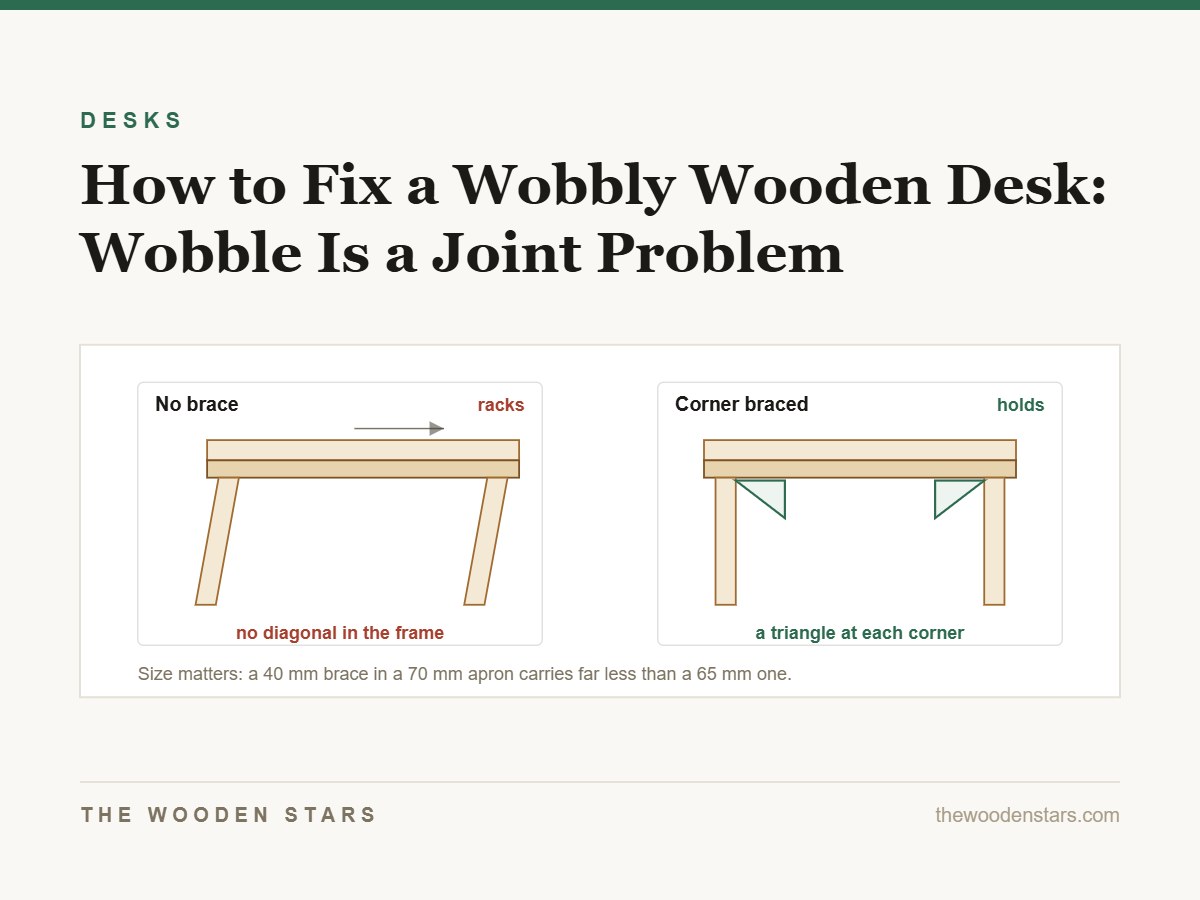
This is the specific failure of modern desk designs: four legs, a very shallow apron or none at all, and a thin top. There is nothing wrong with any joint — the frame simply has no triangle in it, so it parallelograms under side load.
The fixes, in order of effectiveness:
- Steel corner braces on all four inside corners. The cheapest real improvement, and invisible in use. Bigger is better here; a 40 mm brace in a 70 mm apron does much less than a 65 mm one.
- A stretcher or a modesty panel between the back legs. Turns the back of the desk into a rigid plane. Most effective single change, and it costs you legroom you were probably not using.
- Diagonal corner blocks — a triangle of hardwood glued and screwed into each corner. What good furniture has and cheap furniture does not.
- Fixing the top down properly. A well-fixed top is itself a stiff diaphragm. On a desk this is a real contributor, unlike on a dining table.
Stripped inserts
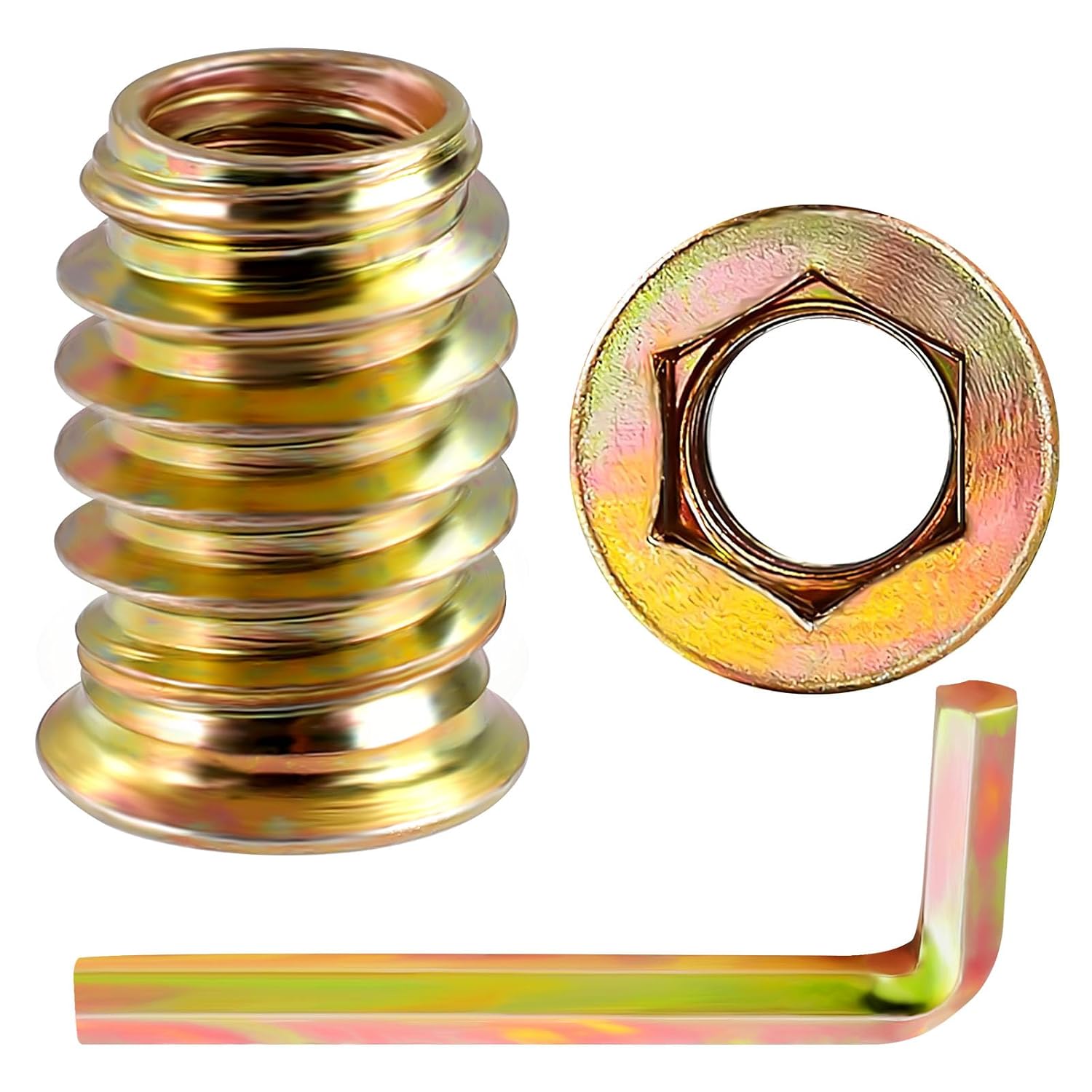
Very common on desks with bolt-together legs. Drill out the failed insert and fit a larger threaded insert — going from M6 to M8, or from 1/4-20 to 3/8-16 — which gives a stronger fixing than the original. A machine thread cut directly into wood will always strip eventually; the metal-in-wood insert is what carries the load.
The top: a special case for a desk
On a dining table, the top must be free to move across its width or it cracks. On a desk the same rule applies to a solid wood top — but a desk also needs the top to contribute stiffness, and those two requirements pull against each other.
The resolution: fix the top firmly along its length (along the grain, where movement is negligible) and with sliding fasteners across its width. Z-clips and figure-8 fasteners do exactly this. Our guide to mounting a butcher block or slab desktop works through the pattern in detail; the same fasteners are the ones that stop a dining table top cracking.
If your top is plywood, MDF or a veneered panel, none of this applies — screw it down rigidly and enjoy the stiffness.
What this repair actually takes
- Heavy-duty L corner braces, 65 mm The single cheapest stiffness improvement On Amazon →
- Stainless corner braces, 40 x 40 mm For shallow aprons where 65 mm will not fit On Amazon →
- Adjustable levelling feet For the tenth case, where it is the floor On Amazon →
- Threaded inserts for wood Replacing a stripped bolt fixing properly On Amazon →
- Spirit level and a hex key set Step one, and the tool the desk was built with
What to buy
Use the 65 mm braces if the apron is deep enough; the 40 mm ones only where it is not. Inserts are for a bolt that has stripped.


A cupped or bowed desktop is a different problem
If the top has curled across its width rather than the frame moving, that is moisture, not mechanics. The cause is almost always a top finished on the show face and left bare underneath: moisture moves in and out through the unfinished face much faster, and the top curls with the unfinished side becoming convex.
The fix is to finish the underside — one coat is enough, and it does not need to look pretty. Whether the existing bow can be reversed depends on how long it has been there; a recent bow often relaxes over a few weeks once both faces are sealed and the top is weighted flat. Finish choice is covered in our guide to table top finishes.
Questions we get asked
Will corner braces fix a loose joint?
They will stop it moving, which feels like a fix, and the joint underneath is still loose and still wearing itself oval. On a cheap desk that is a reasonable trade. On a desk you want to keep, re-glue the joint and then brace it.
My sit-stand desk wobbles at standing height. Is this the same?
No — that is inherent to the mechanism, not a wooden joint. A two-stage column has play, and it multiplies with height. Check that the feet are level and the column bolts are tight, but a certain amount of sway at full extension is a design property of the frame you bought, and no amount of bracing the top will remove it.
Should I use screws or bolts for the leg fixings?
Bolts into threaded inserts, every time, on anything that will be dismantled or that carries load. A screw into wood loses grip each time it is removed and re-driven; a bolt into a metal insert can be undone and redone indefinitely. This is the single biggest quality difference between a desk that survives two house moves and one that does not.
How tight is too tight on a wooden desk?
If the washer is sinking into the wood, you are past it — you are compressing the timber, and when it takes a permanent set the joint is loose again. Use a washer under every bolt head to spread the load, and tighten to firm rather than to your maximum.
Is a wobble actually harmful, or just irritating?
Harmful. A moving joint wears its own socket, so every day of wobble makes the eventual repair bigger. A desk that wobbles slightly today is a desk with a wallowed-out mortise in two years, and that is a workshop repair rather than an afternoon one.