Wall-Mounting a King Headboard: the Wall Carries It, Not the Bed
The Wooden Stars is a participant in the Amazon Services LLC Associates Program. We may earn a commission when you buy through links on our site, at no extra cost to you.
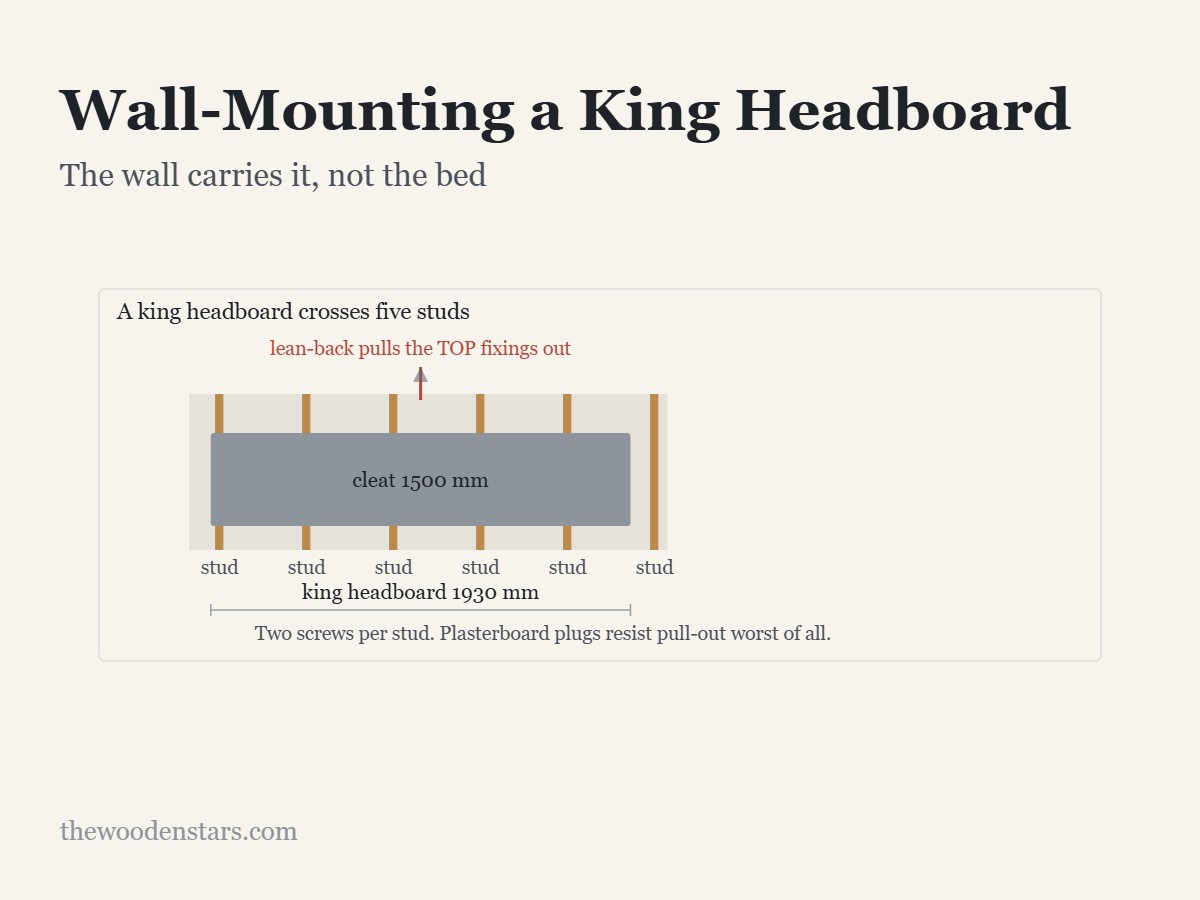
A king headboard on the wall looks like a light job. It is not. A king headboard is 1.9 metres of timber weighing 20 to 40 kg, and once it is off the bed frame the wall is carrying all of it.
Worse, it is loaded in the least convenient way: people lean back against it, which pulls the top fixings straight out of the wall rather than pressing the headboard against it.
Use French cleats, into studs, and use two of them. A king headboard is 1930 mm wide so it spans four or five studs at 400 mm centres — a cleat 1200 mm or longer will always reach at least three. Fix the wall cleat with two screws per stud, set the headboard height so the bottom edge sits 50–100 mm below the top of the mattress, and never hang a headboard of this size on plasterboard fixings alone. If no studs are reachable, keep the headboard bolted to the bed frame instead.

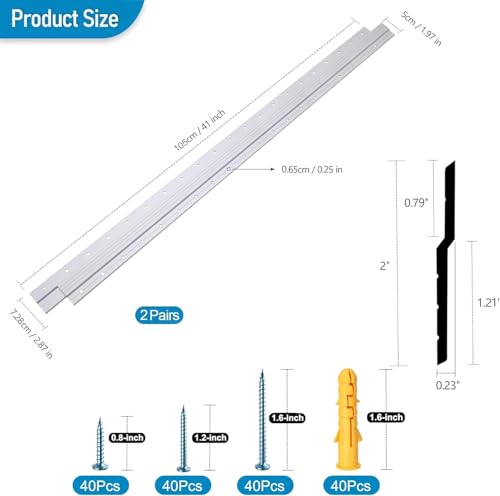
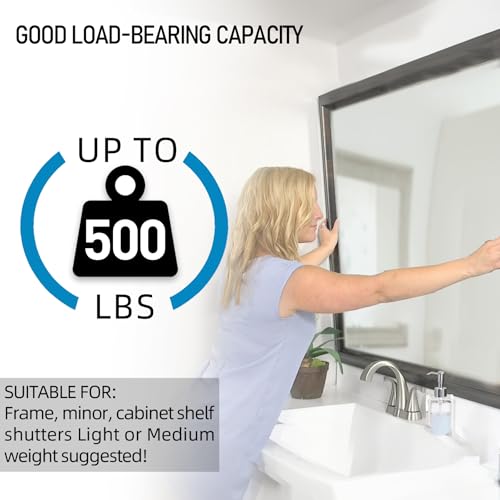
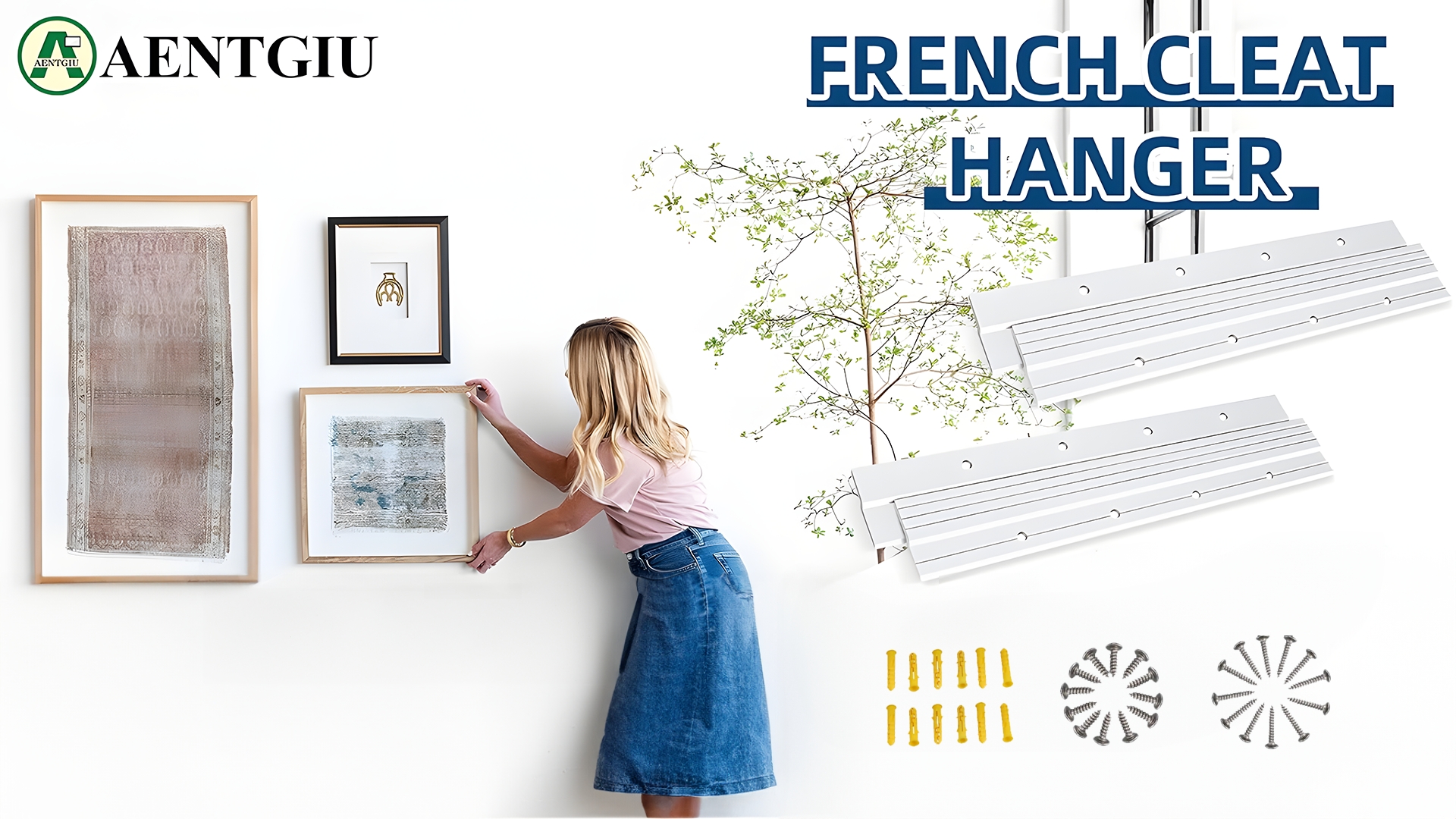
Prime AENTGIU 41-inch French Cleat Hanger Heavy Duty 500 Lbs, 2-Pairs, Aluminum






As an Amazon Associate we earn from qualifying purchases. Product prices and availability are accurate as of the date/time indicated.
Start here: the cleat is the cheap part; the studs behind it are what carries a king headboard. Find them before you buy a length.
Why a headboard is not a picture
A picture hangs quietly against a wall. A headboard gets leaned on, sat against, and pushed by a mattress that shifts every night. The load has three components, and only one of them is weight.
- Dead weight, 20–40 kg for a king, pulling straight down.
- Lean-back load, which can briefly exceed the headboard’s own weight and acts to rotate the top away from the wall.
- Mattress push, a constant low force at the bottom edge trying to lift the headboard off its fixings.
The second one is what fails. Anything that resists only downward weight — a couple of keyhole plates, adhesive strips, plasterboard plugs — will hold for months and then let go when somebody sits up hard against it.
The three mounting systems, and which is right
French cleat
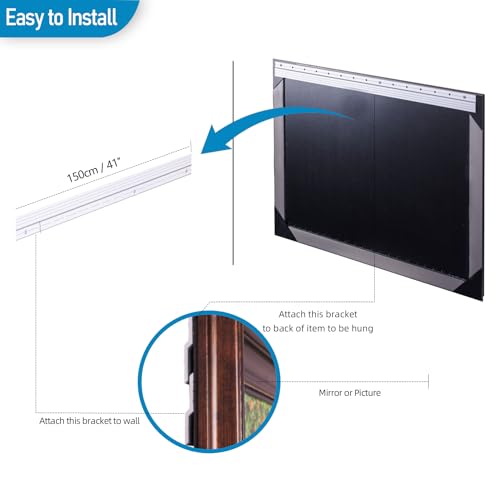
Two matching strips cut at a 45 degree bevel: one screwed to the wall pointing up, one screwed to the headboard pointing down. The headboard drops on and the bevel pulls it tight to the wall. This is the correct system for a headboard: it spreads load along its whole length, it resists the lean-back rotation, and it lets you lift the headboard off to decorate.
Z-clips or interlocking plates
The same principle in pressed steel, in short pieces rather than a continuous strip. Fine for a twin or a full, marginal for a king because the load concentrates at two or three points. Use four or more, and only if each lands on a stud.
Through-bolting to the bed frame
Not wall mounting at all, but worth naming because it is often the better answer. The headboard bolts to the bed frame’s legs or struts and the wall carries nothing. The hardware and bolt sizes for this are covered in our guide to bed frame brackets and rail hooks.
| System | Resists lean-back | Needs studs | Removable | Verdict for a king |
|---|---|---|---|---|
| French cleat, 1200 mm+ | Very well | Yes, 3 or more | Yes, lifts off | The right answer |
| Z-clips, 4 or more | Moderately | Yes, all of them | Yes | Acceptable if every clip hits timber |
| Keyhole plates | Poorly | Yes | Yes, fiddly | Too concentrated for a king |
| Direct screws through the headboard | Well | Yes | No | Works, but visible fixings |
| Plasterboard anchors only | No | No | Yes | Not for a king, at any anchor rating |
Finding the studs, and what a king spans
A king headboard is 1930 mm wide in the US and 1520 mm for a UK king. With studs at 400 or 600 mm centres, that width crosses several — which is the good news, because a long cleat cannot miss them all.
| Headboard | Width | Studs at 400 mm centres | Minimum cleat length |
|---|---|---|---|
| Twin | 990 mm | 2–3 | 750 mm |
| Full | 1370 mm | 3–4 | 1000 mm |
| Queen | 1550 mm | 4 | 1200 mm |
| King (US) | 1930 mm | 5 | 1500 mm |
| California king | 1830 mm | 4–5 | 1400 mm |
Mark every stud across the full width before you cut anything. Then cut the cleat so it starts and ends on a stud rather than floating past the last one, and place a screw pair at every stud it crosses.
Dot-and-dab walls need a warning. The plasterboard is stuck to blockwork on adhesive blobs with an air gap behind, so a fixing that opens into that gap holds nothing. The screws must be long enough to reach the block, and that usually means a frame fixing rather than a woodscrew.
The capacities of each wall type, and why the top fixing is always the one that fails, are the same here as for any heavy thing hung on a wall — set out with the numbers in our guide to shelf brackets and wall fixings.
Height: the number that gets set wrong
The common mistake is mounting the headboard at the height it sat when it was attached to the bed, forgetting that a wall-mounted one no longer has legs standing on the floor.
- Make the bed first, with the mattress and the topper you actually use.
- Measure from the floor to the top of the made mattress. That is the reference, and it is often 600–700 mm.
- The headboard’s bottom edge goes 50–100 mm below that line, so no gap shows and pillows do not disappear behind it.
- Mark the wall cleat position from the bottom edge, not from the top of the headboard, then double-check by holding the headboard against the wall before drilling.
Remember that a French cleat drops the headboard by the thickness of the bevel overlap when it seats — usually 10–20 mm. Account for it, or the headboard sits lower than the line you marked.
Fitting, in order
- Mark the studs across the full width and write the marks on masking tape above where the headboard will sit, so you can still see them.
- Screw the wall cleat on, bevel pointing up and outwards, checking level along its whole length rather than at the ends.
- Fix the matching cleat to the headboard back, bevel pointing down and inwards, set in from each end so it is invisible from the side.
- Lift it on with two people. A king headboard is awkward rather than heavy, and the bevel wants to be engaged along its whole length at once.
- Push the bottom edge back and check it sits tight. If the bottom stands proud, add a spacer batten at the bottom of the headboard the same thickness as the cleat pair, so it beds against the wall instead of pivoting.
That last spacer is the step most instructions omit, and it is what stops a wall-mounted headboard rocking when leaned on.
What to buy
- French cleat, 41 in Long enough to cross three studs behind a king headboard On Amazon →
- Stud detector A king crosses four or five studs, and all of them matter On Amazon →
- Structural woodscrews, 75 mm Two per stud, into timber, not into plasterboard
- Spirit level, 1200 mm Long enough to level the cleat along its length
What to buy

Questions we get asked
How do you mount a king headboard to the wall?
With a French cleat at least 1500 mm long, screwed twice into every stud it crosses. Set the bottom edge 50–100 mm below the top of the made mattress, and add a spacer batten at the bottom of the headboard so it beds flat against the wall rather than pivoting on the cleat.
Can I hang a headboard on plasterboard without studs?
Not a king. The lean-back load pulls the top fixings out, and plasterboard anchors resist pull-out poorly whatever the rating claims. If no studs are reachable, keep the headboard bolted to the bed frame, where the floor carries the weight.
How high should a wall-mounted headboard be?
Measure to the top of the made mattress and set the bottom edge 50–100 mm below that. Any higher and you get a gap that swallows pillows; any lower and the mattress hides the bottom of the headboard.
Do I need to remove the headboard legs?
Usually yes, if they would show below the mattress line. Cutting them off is irreversible, so unbolt them if they are bolted, and keep them — a future bed frame may take the headboard back.
Why does my wall-mounted headboard rock when I lean on it?
The cleat holds the top but nothing supports the bottom, so the headboard pivots on the cleat. Add a batten across the bottom of the headboard back, the same thickness as the two cleats together, so the bottom edge rests against the wall.