Brass Dresser Hardware: Solid, Plated, or Lacquered
The Wooden Stars is a participant in the Amazon Services LLC Associates Program. We may earn a commission when you buy through links on our site, at no extra cost to you.
Brass hardware is sold by colour and bought by expectation. Two handles that look identical in a photograph can be solid brass, brass-plated steel, or zinc with a lacquer that will chip off the edges within a year.
The difference does not show on day one. It shows in year three, when one set has darkened evenly into something people pay extra for and the other has gone patchy where fingers land.
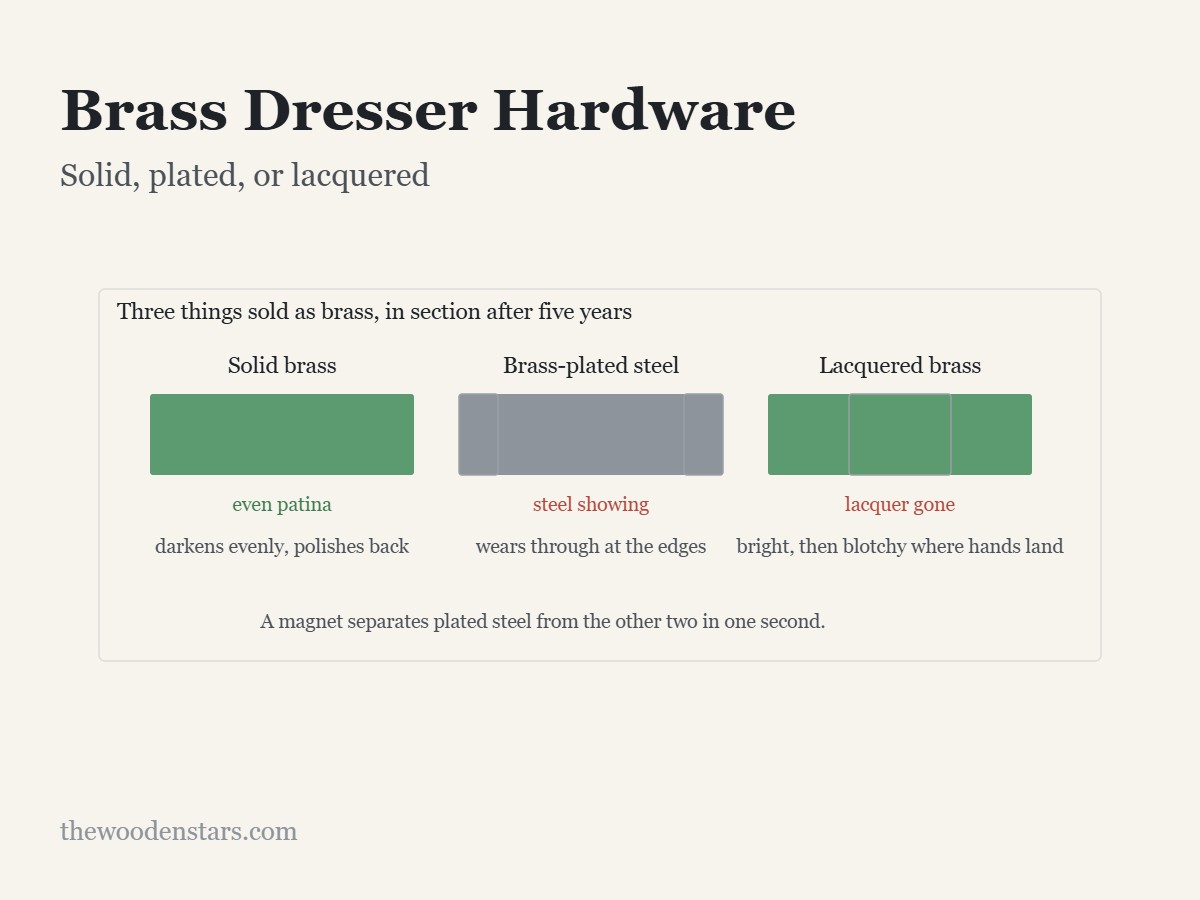
Three materials are sold as brass. Solid brass is heavy, non-magnetic, and ages into a warm patina you can polish back. Brass-plated steel is magnetic — a fridge magnet tells you in a second — and once the thin plating wears through at the edges it cannot be restored. Lacquered brass is either of the above with a clear coat: it stays bright until the lacquer fails, then goes blotchy. For a piece you intend to keep, buy solid unlacquered and let it age. For a rental or a quick refresh, plated is honest value provided you know it is a finish, not a metal.

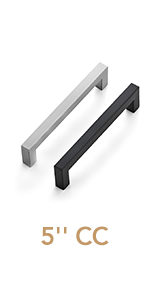
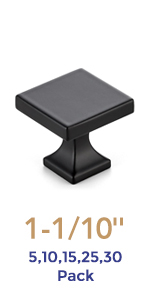
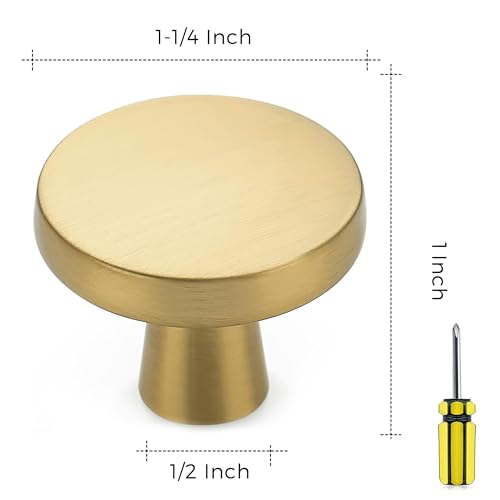
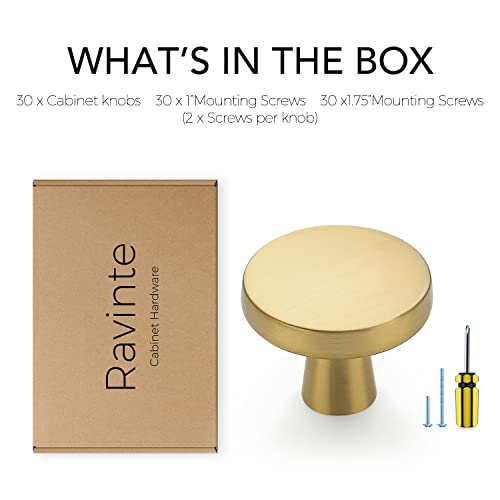
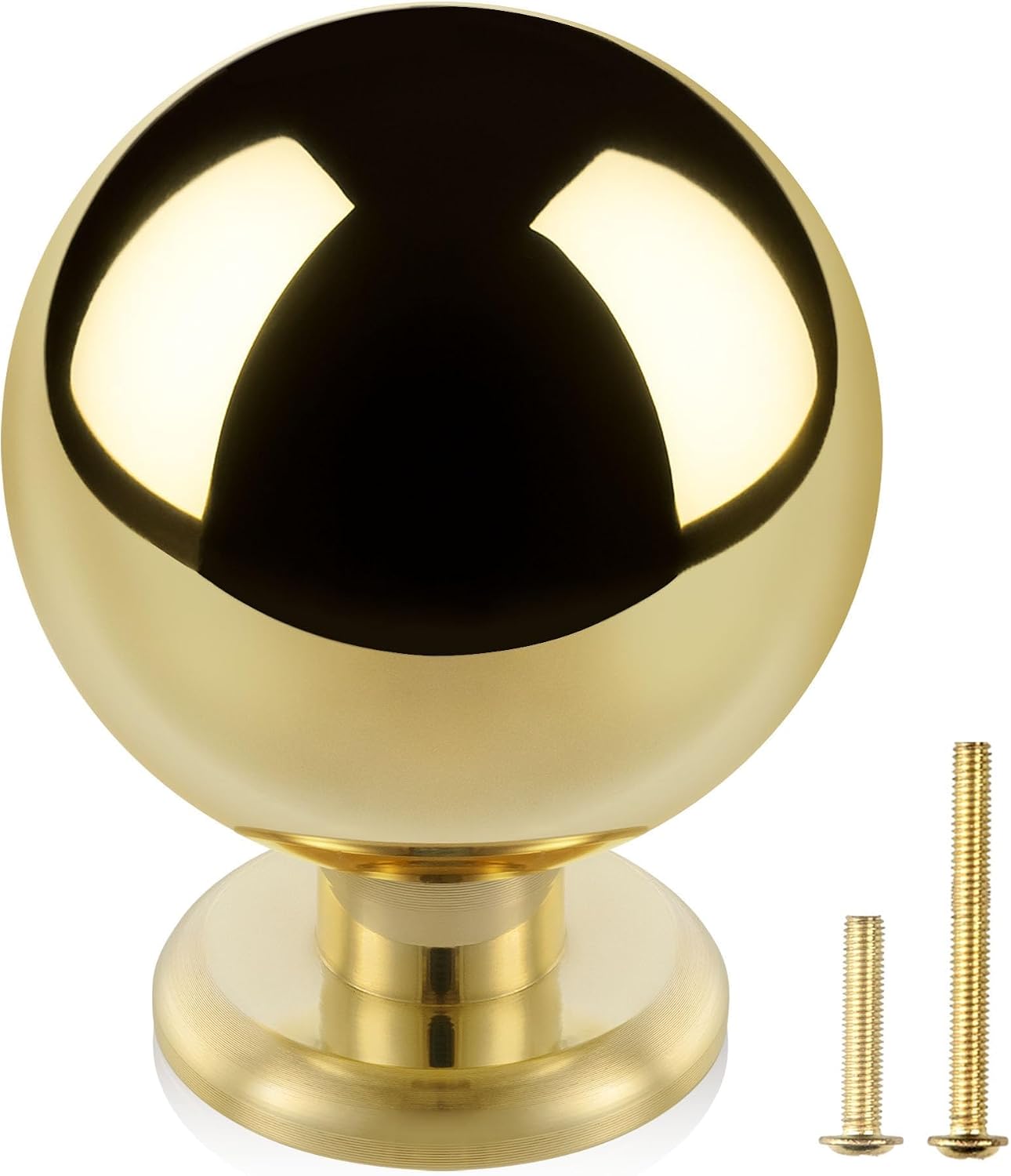
Prime Ravinte Brushed Brass Solid Knobs Gold Kitchen Cabinet Pull,30 Pack,Round-5







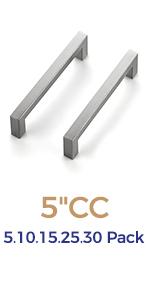
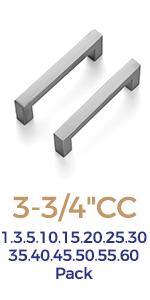
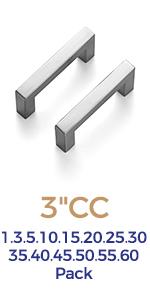
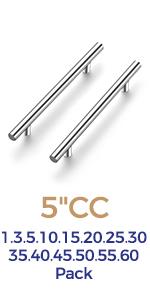
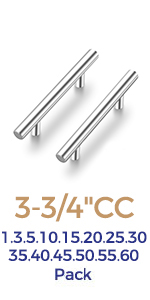
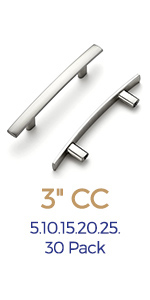


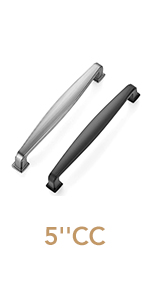


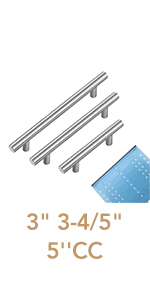

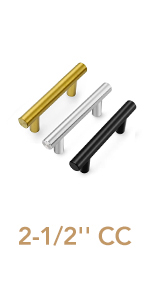
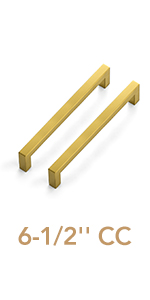





As an Amazon Associate we earn from qualifying purchases. Product prices and availability are accurate as of the date/time indicated.
Start here: if you are keeping the piece, buy solid and unlacquered. It is the only version that ages evenly and can be brought back with polish.
Telling the three apart before you buy
| Type | Magnet test | How it ages | Can it be restored |
|---|---|---|---|
| Solid brass, unlacquered | Not magnetic | Darkens evenly into patina | Yes, polishes back fully |
| Solid brass, lacquered | Not magnetic | Bright until the lacquer fails, then blotchy | Yes, after stripping the lacquer |
| Brass-plated steel | Sticks to a magnet | Wears through at edges and grips | No, the base metal shows |
| Brass-plated zinc | Not magnetic, but light | Chips rather than wears | No |
| Antique or oil-rubbed brass | Either | Wears at high points by design | Only if solid underneath |
Two checks that cost nothing. A magnet separates plated steel from everything else immediately. Weight in the hand separates solid brass from plated zinc: brass is noticeably dense, and a hollow-feeling handle is usually zinc.
Listings rarely say outright. “Brass finish”, “brass tone”, “gold” and “brass coloured” all mean plated. “Solid brass” is the only phrase that means the metal, and it is worth asking if it is absent — a seller of solid brass says so, because it costs more.
Lacquer: what it buys and what it costs
Lacquer is a clear coat that stops brass reacting with air, so the hardware stays the colour it was in the photograph. That is genuinely what some people want.
The problem is that lacquer wears where hands touch and not elsewhere. After a year or two you have bright lacquered brass across most of the handle and darkened bare brass in a stripe where thumbs land. It reads as damage rather than as age, which unlacquered brass does not.
- On a piece you use daily, unlacquered ages better because it ages evenly.
- On something rarely touched — a display cabinet, the back of a bureau — lacquer keeps it bright with no maintenance.
- Lacquer can be removed. Acetone on a rag takes most of it off, and the brass underneath then ages normally. This is the usual fix for a set that has gone patchy.
Cleaning, and when not to
The single most common mistake is polishing antique hardware. On genuinely old pieces the darkened surface is part of the value, and a bright new-looking handle on an old dresser looks wrong in a way that is hard to undo — patina takes decades to come back.
- Start with soap and water. Most dulling is skin oil and dust, not tarnish, and it comes off with warm water and washing-up liquid.
- Take the hardware off the drawer first. Polish and cleaner will mark a finished wood front, and the marks are worse than the tarnish.
- Test any polish on the back of one handle. If it is plated, polish cuts through the plating fastest at the edges — exactly where you can least afford it.
- For solid brass, a proprietary brass polish or a lemon-and-salt paste works. Rinse and dry properly afterwards; residue left in the detail lines goes green. Keep every polish away from the timber itself — if the dresser’s finish also needs attention, that is a separate job with different products, covered in our guide to finishes for solid wood.
- Do not put brass in a dishwasher and do not soak plated hardware, because water gets under the plating at the screw holes and lifts it.
If the hardware is coming off anyway, this is the moment to check the drawer fronts — the screw holes are the one place you can see the front’s true thickness, which decides the screw length you need. That measurement, and the centres that decide whether new hardware fits at all, are covered in our guide to dresser knobs and pulls.
Replacing a whole set so it matches
Brass varies enormously between suppliers and between production runs. Two consequences worth planning around.
- Buy the whole set at once, from one seller. Coming back for two more handles in six months rarely produces a match, even from the same listing.
- Buy one or two spares at the same time. Handles get lost in moves, and a spare from the original batch is worth more than a close guess later.
- Order one first if you can. Screen colour is unreliable for brass in particular; warm yellow brass and cooler antique brass look far more different in a room than online.
- Match the hinges too if the piece has visible ones. New brass handles beside old dark hinges is the mismatch people notice first.
Where the finish stops mattering
On escutcheons, back plates and anything that hides old holes, the material matters less because the part is rarely gripped. That makes a plated back plate with solid handles a sensible compromise: the piece you touch daily is solid, the decorative plate behind it need not be.
Interior hardware — drawer runners, corner blocks, the screws themselves — is never brass on a working dresser and should not be. Steel is stronger, and brass screws shear off in hardwood with alarming ease. If a period piece has brass screw heads showing, they are usually brass-plated steel for exactly that reason.
What to buy
- Solid brass knobs Solid metal, not plating, so it can be polished back On Amazon →
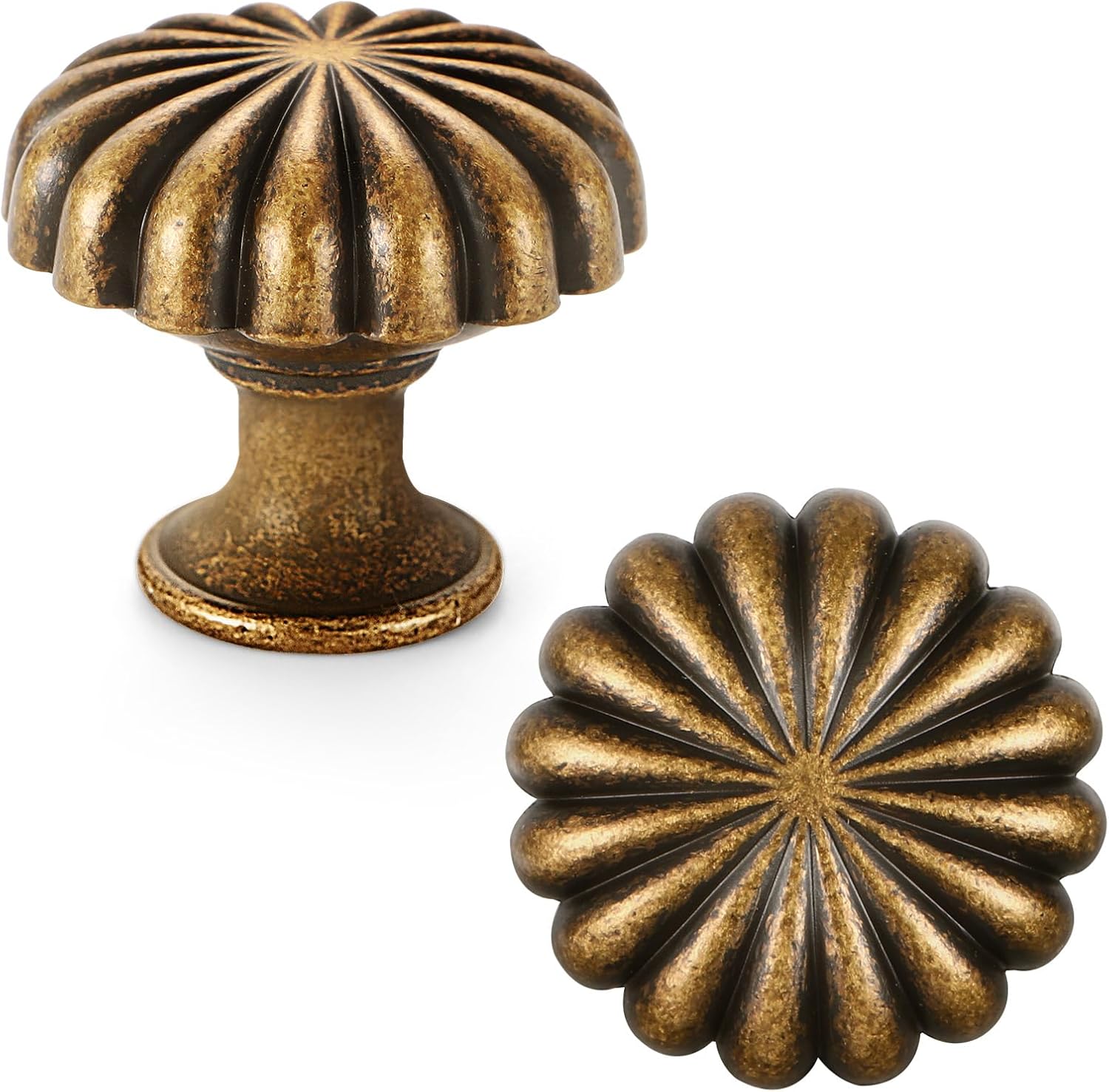
- Antique brass knobs Darker finish, hides wear better in daily use On Amazon →
- Unlacquered brass knobs Ages evenly instead of going patchy where hands land On Amazon →
- Solid brass pulls Matching pulls for the wider drawers On Amazon →
- Brass polish Solid brass only, and test on the back of a handle first
What to buy

Questions we get asked
How can I tell if dresser hardware is solid brass?
Hold a magnet to it. Solid brass is not magnetic; brass-plated steel is. If it is not magnetic but feels light and hollow, it is probably plated zinc. Weight is the second test: solid brass is noticeably dense for its size.
Is lacquered or unlacquered brass better?
Unlacquered on anything handled daily, because it darkens evenly and can be polished back at any time. Lacquered on pieces rarely touched, where it stays bright with no work. The failure mode of lacquer is patchiness where hands land, and that looks like damage rather than age.
Should I polish antique brass hardware?
Usually not. The dark surface on old hardware is part of what makes it look old, and it takes decades to return. Clean it with soap and water to remove grime, and stop there unless you specifically want a bright modern look.
Why has my brass hardware gone patchy?
The lacquer has worn through where you touch it, so part of the surface is ageing and part is sealed. The fix is to strip the remaining lacquer with acetone so the whole handle ages together, or to replace the set with unlacquered solid brass.
Will brass-plated hardware last?
It will look right for a few years on drawers that are opened occasionally, and it will wear through at the edges on drawers used every day. It is reasonable value if you know what you are buying; the mistake is paying solid-brass prices for it.