Bookcase Dimensions: Depth and Shelf Spacing Decide It
The Wooden Stars is a participant in the Amazon Services LLC Associates Program. We may earn a commission when you buy through links on our site, at no extra cost to you.
Bookcases are sold by width and height, which are the two dimensions that matter least. What decides whether a bookcase works is the depth of the shelf and the gap between shelves, and neither is usually in the listing.
Get those two right and a bookcase holds what you own. Get them wrong and you have a piece of furniture that fits the wall and not the books.
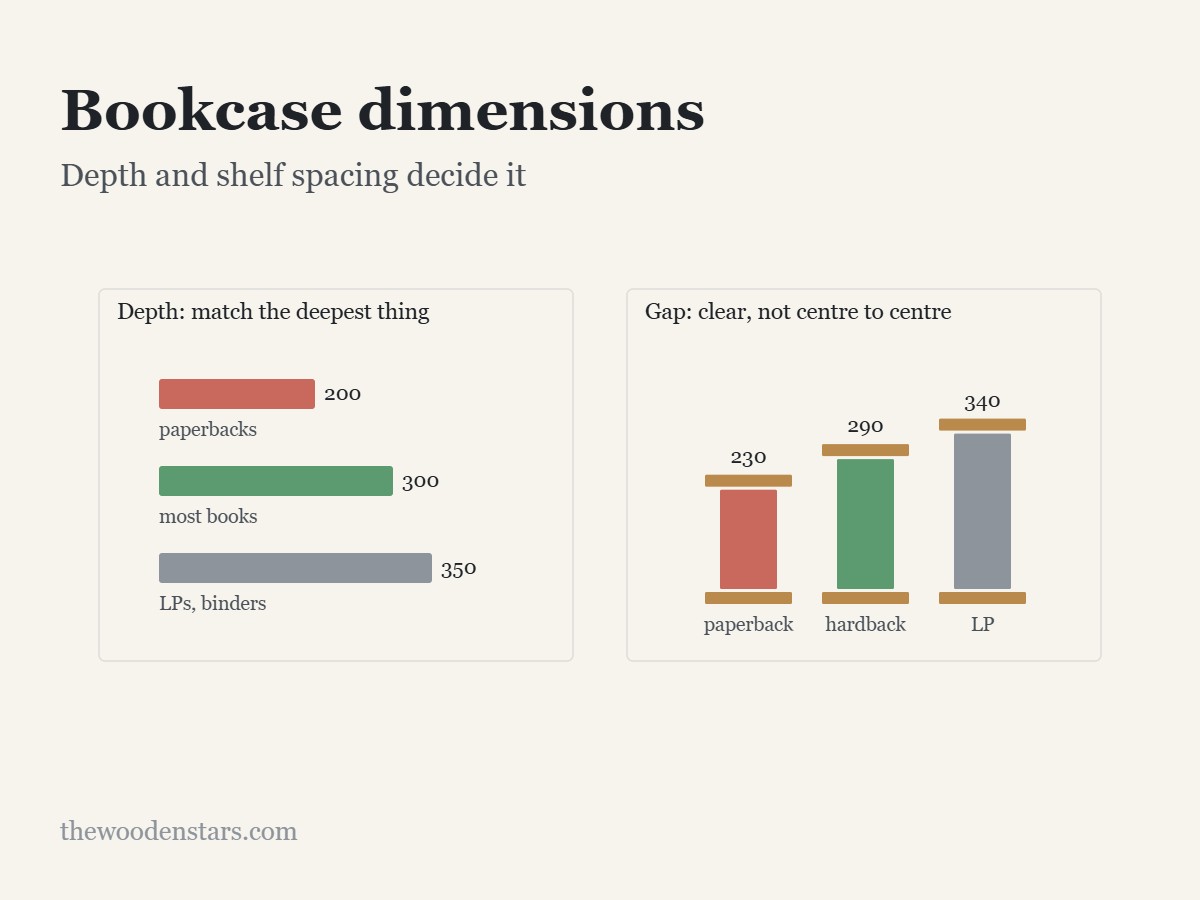
Two numbers do the work. Depth: 250 mm takes paperbacks and most hardbacks, 300 mm takes almost everything including large hardbacks, and 350 mm is needed for records, ring binders and art books. Shelf spacing: 230 mm clear for paperbacks, 280 mm for standard hardbacks, 330 mm for large formats and 330 mm for LPs. Then check the span: no shelf should be unsupported over 800 mm in solid hardwood, or 600 mm in melamine board, or it will sag.

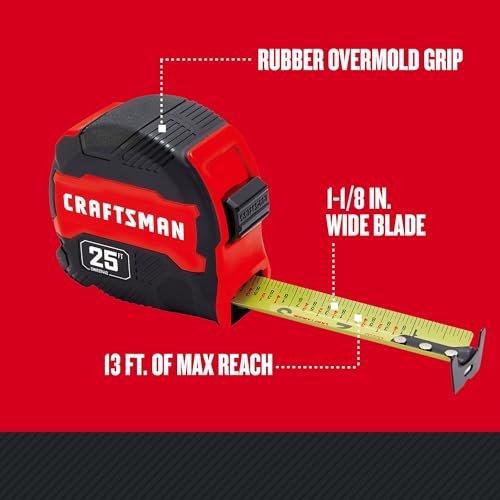
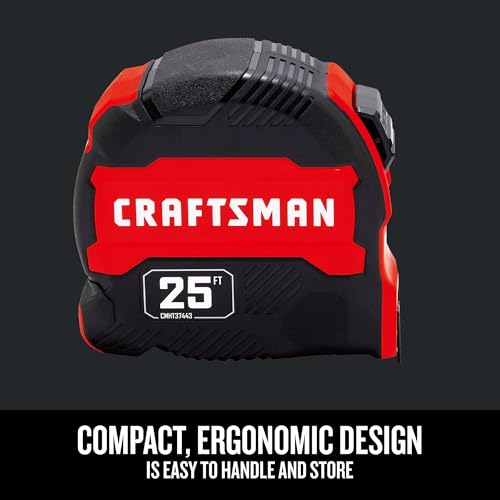
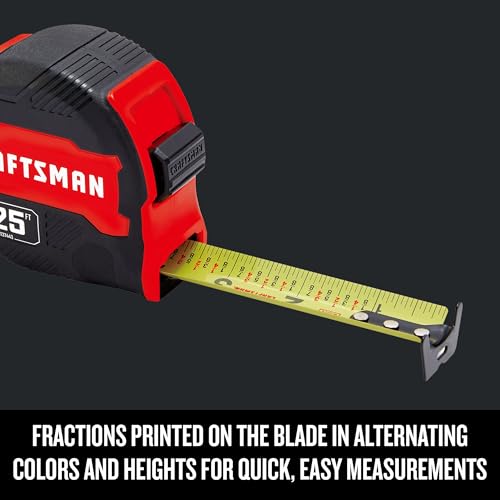
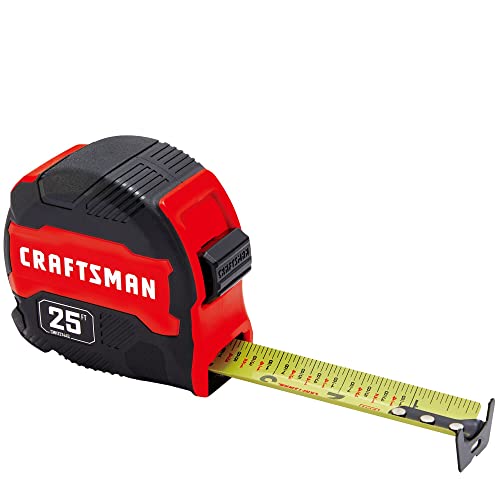
Prime CRAFTSMAN 25-Ft Tape Measure with Fraction Marketing, Retractable, Manual-Locking Blade (CMHT37443S)



As an Amazon Associate we earn from qualifying purchases. Product prices and availability are accurate as of the date/time indicated.
Start here: measure your tallest and deepest book before anything else. Those two numbers decide the shelf, and width does not.
Depth: match it to the deepest thing you own
| Depth | Holds | Note |
|---|---|---|
| 150 mm | Paperbacks only | Too shallow for most collections |
| 200 mm | Paperbacks, small hardbacks | Common on cheap units |
| 250 mm | Paperbacks and most hardbacks | The sensible minimum |
| 300 mm | Almost all books | The comfortable default |
| 350 mm | LPs, ring binders, art books | Records are 315 mm square |
| 400 mm | Box files, large folios | Starts to dominate a room |
A shelf deeper than it needs to be is not free: it takes floor space, it makes the top shelf hard to reach, and books get pushed to the back and lost. 300 mm suits nearly everyone; go to 350 only if you have records or ring binders, and put those on one dedicated shelf rather than making the whole unit deeper.
One practical trick if depths vary: put the deep items on the bottom shelf, where the extra depth also lowers the centre of gravity.
Shelf spacing: the clear gap, not the pitch
Measure the clear opening between the top of one shelf and the underside of the next, not centre to centre. On a 20 mm shelf the difference is 20 mm, which is the difference between a hardback fitting and not.
| What | Height | Clear shelf gap |
|---|---|---|
| Mass-market paperback | 180 mm | 210–230 mm |
| Trade paperback | 200 mm | 230–250 mm |
| Standard hardback | 240 mm | 270–290 mm |
| Large hardback, cookbooks | 280 mm | 310–330 mm |
| LP records | 315 mm | 330–350 mm |
| Ring binders, A4 box files | 320 mm | 340–360 mm |
Add 30 to 50 mm to the tallest item so books can be tilted out rather than dragged. A shelf where books fit with 5 mm to spare is a shelf where every book damages its own head cap on the way out.
Adjustable shelving solves this properly, and the pin systems and their capacities are covered in our guide to shelf pins and supports.
Span: the number that decides whether it sags
A shelf sags because of its unsupported length, its thickness and its material — not because it is overloaded in any absolute sense. Books weigh roughly 20 kg per metre of shelf, and that is enough to bend most materials over a long span.
| Material | 18–19 mm thick | 25 mm thick |
|---|---|---|
| Solid hardwood | 800 mm | 1000 mm |
| Solid pine | 700 mm | 900 mm |
| Plywood | 750 mm | 950 mm |
| MDF | 600 mm | 750 mm |
| Melamine-faced chipboard | 500 mm | 600 mm |
A 900 mm wide bookcase in melamine will sag, and no amount of care prevents it. The fixes are a centre support, a thicker shelf, or a stiffening lip along the front edge — set out in full in our guide to a sagging bookshelf.
Height, width and the room
- Height. The top shelf should be reachable: 1,800 mm puts it at eye level for most adults, 2,100 mm needs a step. Anything above 1,500 mm should be anchored to the wall.
- Width. Set by the span limit above, not by the wall. A 2,400 mm wall is better served by three 800 mm units than one 2,400 mm unit with three sagging shelves.
- Plinth or feet. A 60–100 mm plinth keeps books clear of a damp floor and lets a vacuum under.
- Top shelf spacing. Make it the tallest, not the shortest. Tall books on the top shelf look deliberate and short ones look like a mistake.
Anchoring, which is not optional above 1500 mm
A loaded bookcase is top-heavy and tips forward, and this is the one dimension question with a safety answer rather than a preference. Anything above 1,500 mm, and anything at all in a house with small children, gets strapped to the wall.
The fitting is quick and the failure mode is not — the method, and why the wall end of the fixing is the one that fails, is in our guide to anti-tip kits.
Measuring what you own before you buy
- Find your tallest book and your deepest, and note both. They are rarely the same book.
- Measure the run of shelf you need, not the number of books. Stand the books on a floor against a wall and measure the total length.
- Divide by the span limit for the material you are buying, and that gives the number of supports.
- Add 25 per cent. Every collection grows, and a full bookcase is a bookcase with books on the floor next to it.
What helps
- Tape measure, 25 ft Tallest book, deepest book, and the run of shelf you need On Amazon →
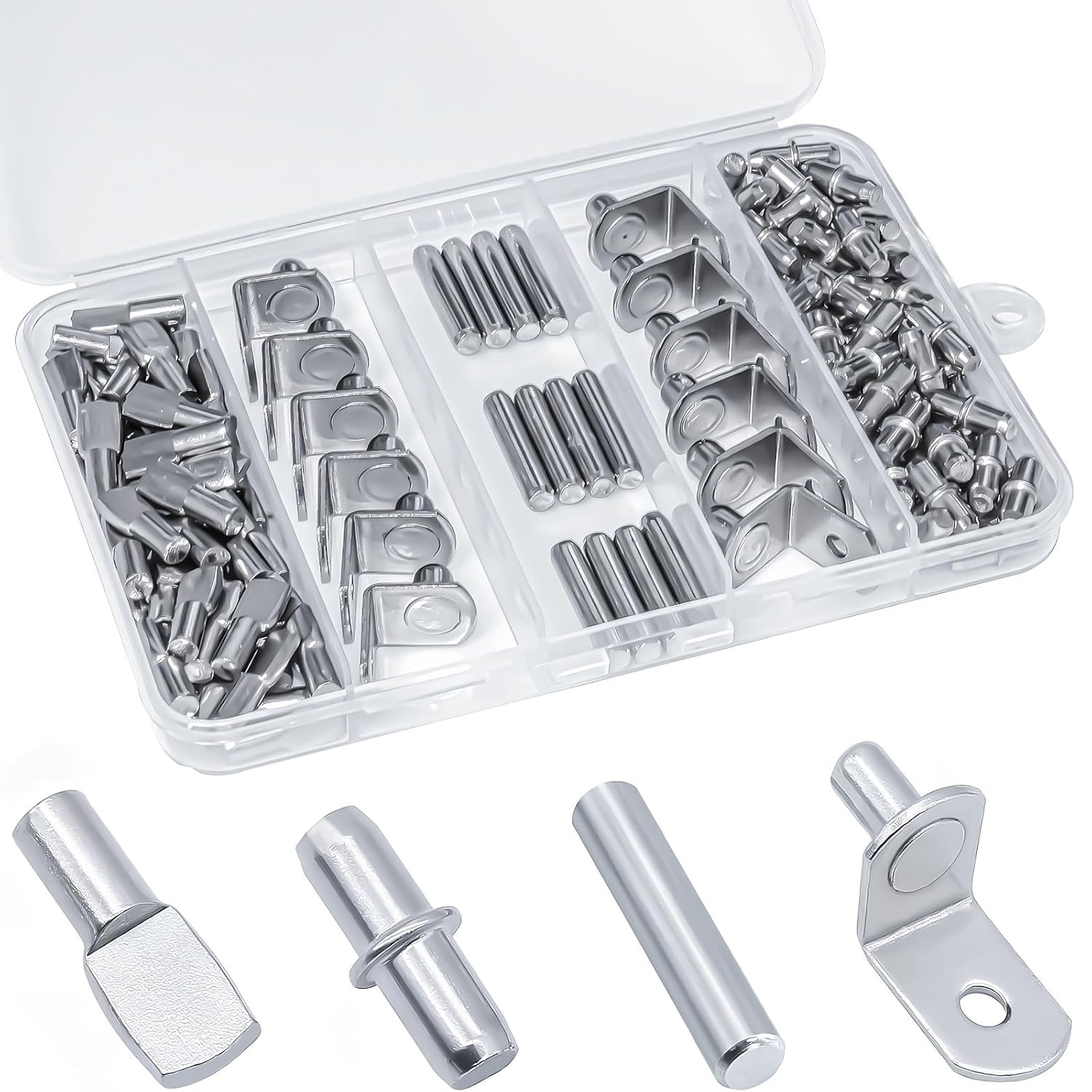
- Shelf pins, assorted Adjustable spacing is what makes the depth and gap right On Amazon →
- Anti-tip straps Not optional above 1500 mm, or with children in the house On Amazon →
- Spirit level A shelf that is not level loads one support more than the other
What to buy
CRAFTSMAN 25-Ft Tape Measure with Fraction Marketing, Retractable, Manual-Locking Blade (CMHT37443S)

Questions we get asked
How deep should a bookshelf be?
250 mm takes paperbacks and most hardbacks; 300 mm is the comfortable default and holds almost everything. Go to 350 mm only for records, ring binders or art books, and ideally on one dedicated shelf rather than the whole unit.
What is the standard gap between shelves?
There is no single standard, which is why adjustable shelving exists. Allow 230 mm clear for paperbacks, 280 mm for standard hardbacks and 330 mm for large formats or LPs, measuring the clear opening rather than centre to centre.
How wide can a bookshelf be before it sags?
800 mm unsupported in 18 mm solid hardwood, 750 in plywood, 600 in MDF and 500 in melamine board. Wider than that needs a centre support or a thicker shelf, whatever the manufacturer’s photograph shows.
How tall should a bookcase be?
1,800 mm puts the top shelf at eye level and is reachable without a step. Taller looks impressive and means the top two shelves hold things you never take down. Anything above 1,500 mm should be anchored to the wall.
How much weight is on a shelf of books?
Roughly 20 kg per metre for a packed shelf of mixed books, more for hardbacks and considerably more for records. That is why span rather than any stated load rating is the number that decides whether a shelf sags.