Dresser Knobs and Pulls: Measure the Centres, Not the Handle
The Wooden Stars is a participant in the Amazon Services LLC Associates Program. We may earn a commission when you buy through links on our site, at no extra cost to you.
Changing the knobs on a dresser is the cheapest thing you can do to it, and the easiest to get wrong. Not because knobs are complicated, but because the measurement that matters is not the one people take.
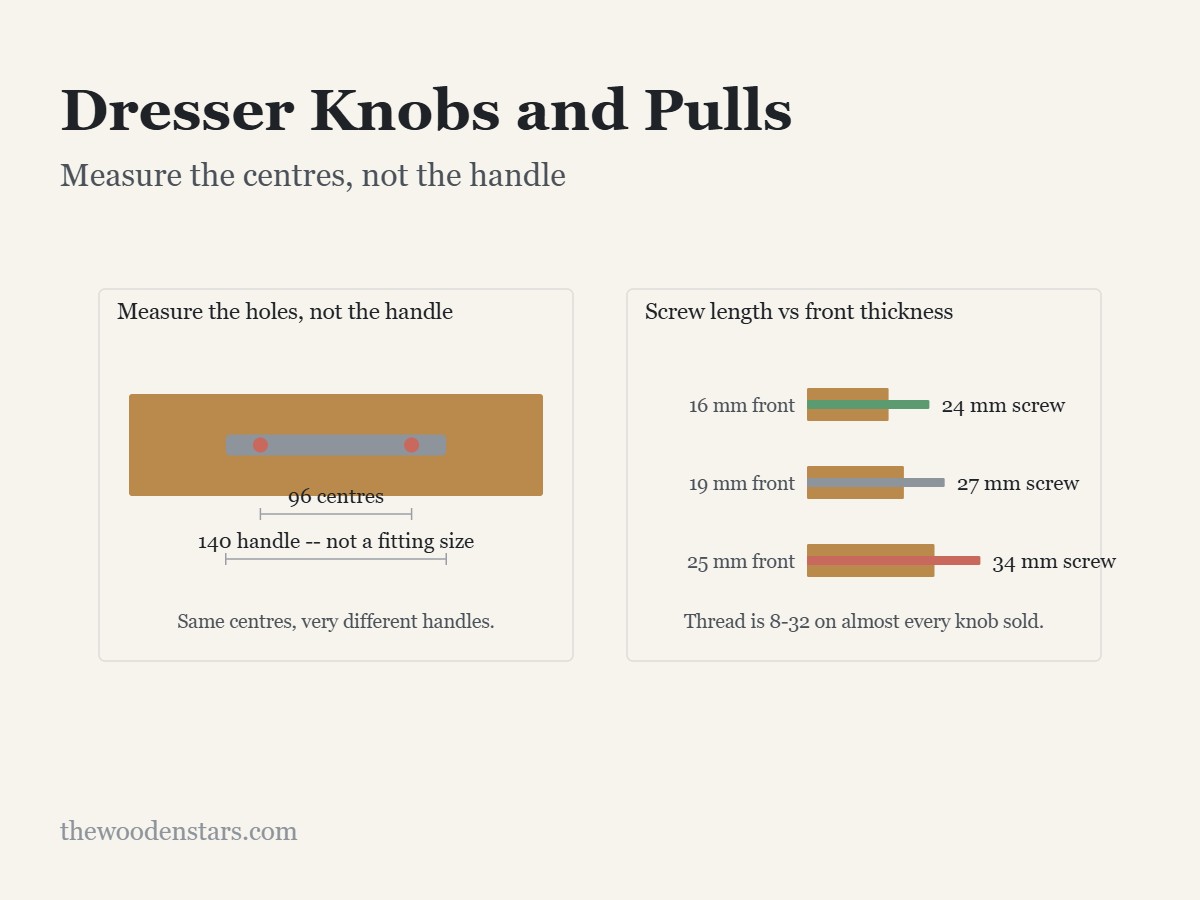
Almost everyone measures the handle. The number that decides whether it fits is the distance between the holes already drilled in the drawer front.
Measure centre to centre between the existing holes, not the length of the handle. That figure is the “centres” and it is how pulls are sold: the common ones are 76 mm (3 in), 96 mm (3.75 in) and 128 mm (5 in). A single-hole knob has no centres and fits any drawer with one hole. Then check the screw length against your drawer front thickness — most knobs ship with a screw for an 18 mm front, and a solid wood dresser is often 20–25 mm.

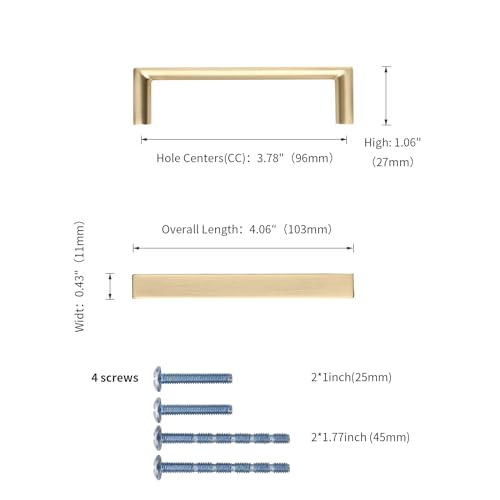
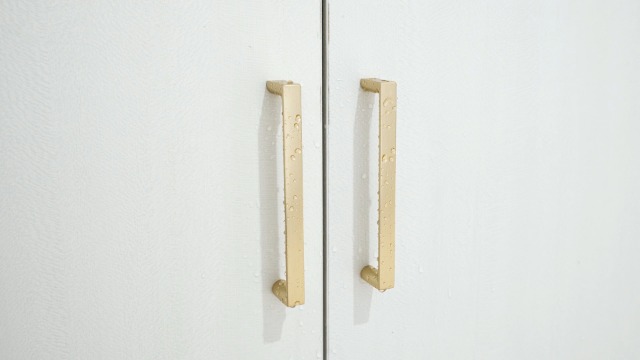
Prime 10 Pack 3.75 Inch(96mm) Kitchen Cabinet Handles Brushed Gold Cabinet Pulls Kitchen Cabinet Hardware Drawer Pulls for Dresser Cupboard Wardrobe


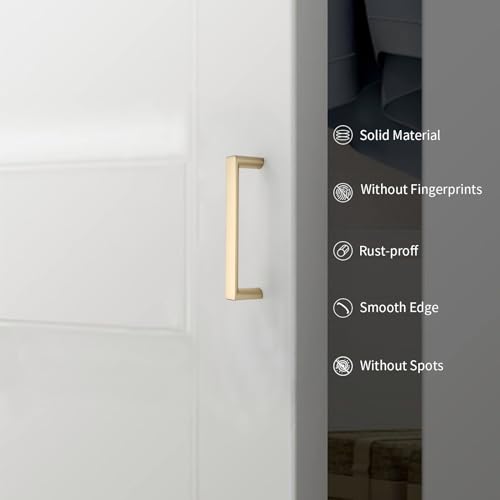
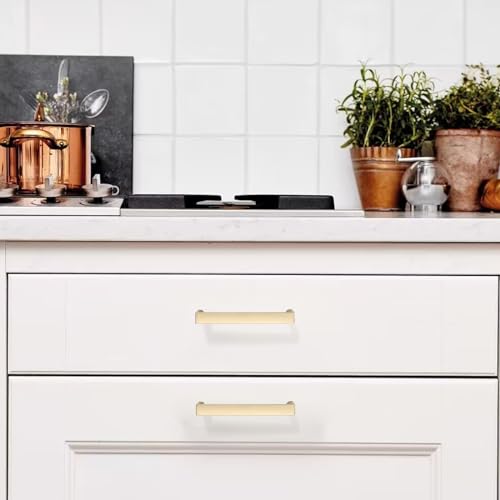
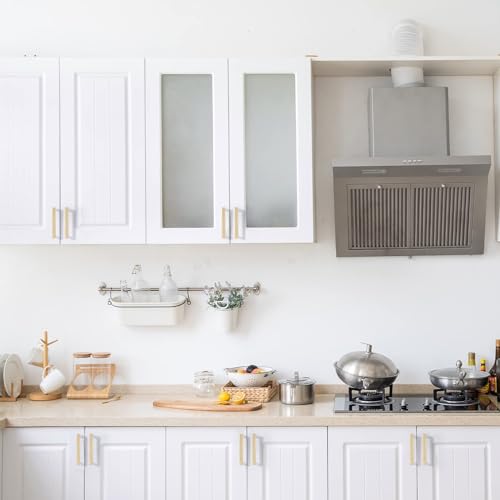
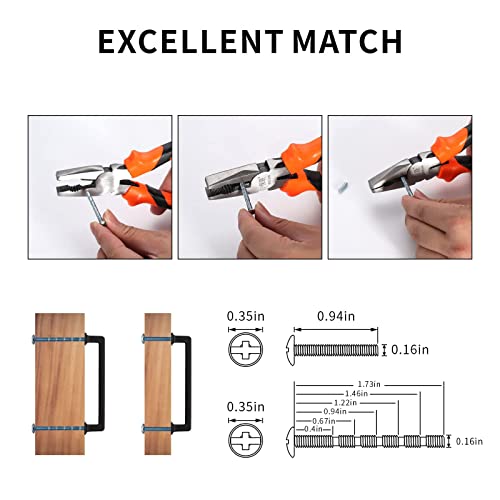
As an Amazon Associate we earn from qualifying purchases. Product prices and availability are accurate as of the date/time indicated.
Start here: measure the centres between your existing holes first — that single number decides which of these will fit and which will not.
Centres: the measurement that decides everything
Put a rule across the drawer front and measure from the middle of one hole to the middle of the other. That is the centres. It is not the length of the handle, which is always larger, and not the visible gap between the posts, which is always smaller.
| Centres | Imperial | Handle length, typically | Found on |
|---|---|---|---|
| 64 mm | 2.5 in | 85–100 mm | Small drawers, older cabinets |
| 76 mm | 3 in | 100–120 mm | The most common size on dressers |
| 96 mm | 3.75 in | 120–145 mm | Wide drawers, mid-century pieces |
| 128 mm | 5 in | 150–180 mm | Large drawers, modern dressers |
| 160 mm | 6.3 in | 180–210 mm | Very wide drawers, appliance pulls |
| Single hole | — | Any | Knobs, and most vintage drop pulls |
Two things follow from that table. A handle can be almost any length as long as the centres match — so you can change the look substantially without drilling. And if the centres do not match, no amount of choosing a “similar size” will help: the posts are rigid.
One hole or two, and what that limits
A single-hole knob is the flexible option, because it will fit any drawer that currently has one hole regardless of what was there before. A two-hole pull is fixed to its centres.
That gives three useful moves when the centres do not match.
- Two holes to one knob. Fill one hole and use a knob in the other — but the knob then sits off-centre, which is visible on a wide drawer. Better on narrow drawers.
- Two holes to two knobs. On a wide drawer, two knobs at the existing centres often look deliberate and work well.
- A back plate. A plate behind the handle hides old holes entirely and gives you free choice of centres. This is the honest fix for mismatched holes and is why back plates exist.
Filling and re-drilling is the last resort. Wood filler has almost no strength in a small hole and a handle pulls on it every day; if you must re-drill, glue a hardwood dowel into the old hole rather than filling it.
Screw length, the part that arrives wrong
Knobs and pulls are packed with a screw sized for a mass-market drawer front, which is 16–18 mm of board. A solid wood dresser front is commonly 20–25 mm, and a drawer with an applied moulding can be 30 mm or more.
| Front thickness | Screw length needed | Note |
|---|---|---|
| 16 mm | 22–25 mm | The length usually supplied |
| 19 mm | 25–28 mm | Common on solid wood |
| 22 mm | 30–32 mm | Buy separately |
| 25 mm | 32–35 mm | Buy separately |
| Over 25 mm, or moulded | 35–40 mm or a breakaway screw | Breakaway screws snap to length |
The screw thread is 8-32 UNC on nearly all knobs and pulls sold for furniture, which is why a longer screw from a hardware shop will fit a knob from anywhere. Buying a box of 8-32 screws in two or three lengths costs very little and removes the problem for good.
A screw that is too long is the more common problem and shows itself as a knob that will not tighten: the screw bottoms out inside the knob before it clamps the front. A screw that is too short simply will not reach.
Setting out new holes, if you are drilling
On a drawer that has never had handles, or where you are moving to different centres behind a back plate, three rules keep a run of drawers looking right.
- Make a template, do not measure each drawer. A scrap of board with the holes drilled, hooked over the top edge of the drawer, puts every handle in the same place. Measuring each drawer individually is how a set ends up looking wobbly.
- Centre horizontally, but not always vertically. Horizontal centre is almost always right. Vertically, handles usually sit slightly above centre on a deep drawer, because that is where the hand naturally goes.
- Drill from the front, with the drawer supported. Drilling from the back tears out the face. A brad-point bit and a scrap block clamped behind the exit point gives a clean hole either way.
If the drawers themselves are stiff, new handles will not help — that is a runner problem, and the order to diagnose it in is in our guide to a dresser drawer that will not slide.
What to buy
- Drawer pulls, 96 mm centres The size that fits most dresser drawers as already drilled On Amazon →
- Solid brass cabinet knobs Single hole, so they fit any drawer with one existing hole On Amazon →
- 8-32 screws, assorted lengths The one purchase that ends the screw-length problem On Amazon →
- Handle drilling template Makes a run of drawers match, which measuring does not
What to buy


Choosing so a set still looks like a set
A dresser usually has drawers of two or three different widths, and using one handle size on all of them rarely looks right. The convention that works: keep the style constant and let the size follow the drawer.
- Narrow top drawers: a single knob, or one pull at 76 mm.
- Wide lower drawers: either one longer pull at 128 mm, or two knobs spaced symmetrically.
- Do not mix finishes between drawers on the same piece, even slightly. Brass and antique brass sit badly side by side, and the difference is far more obvious in a room than in two product photographs.
Finish is its own decision, and with brass in particular the material underneath matters more than the colour on the packet — that is covered in our guide to brass dresser hardware.
Questions we get asked
How do you measure drawer pulls?
Centre of one hole to centre of the other, in millimetres or inches. That is the centres, and it is what pulls are sold by. The overall handle length is not a fitting dimension and two handles with the same centres can look completely different.
What size drawer pulls should I buy?
Whatever your existing holes measure, unless you are prepared to drill or use a back plate. If you are drilling fresh, 76 mm suits drawers up to about 450 mm wide, 96–128 mm suits wider ones, and a rough guide is a handle about a third of the drawer width.
Are cabinet knob screws a standard thread?
Yes, 8-32 UNC on virtually all furniture knobs and pulls, which means a longer screw bought loose will fit a knob from any brand. Only the length varies, and the supplied one is sized for a thinner front than most solid wood dressers have.
Can I put new handles over old holes that do not match?
With a back plate, yes, and that is the cleanest answer. Otherwise you are filling and re-drilling, and filler in a small hole under daily load does not last — glue a hardwood dowel in instead and drill through that.
Should handles sit in the middle of the drawer?
Horizontally yes. Vertically, slightly above centre reads better on a deep drawer and is closer to where the hand actually reaches. Whatever you choose, use a template so every drawer matches, because the eye notices a 2 mm difference between adjacent drawers.