How to Remove Water Rings From a Wood Table Without Refinishing It
The Wooden Stars is a participant in the Amazon Services LLC Associates Program. We may earn a commission when you buy through links on our site, at no extra cost to you.
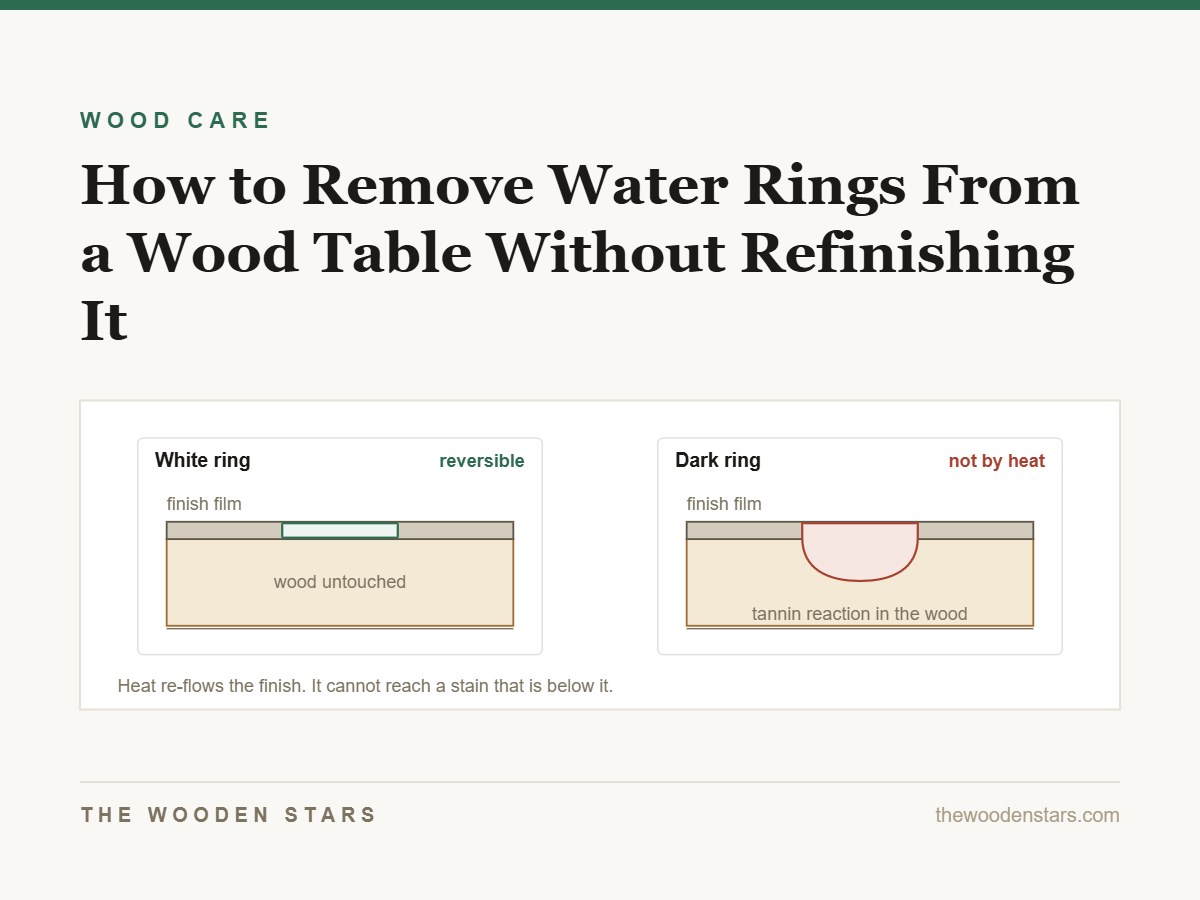
A white ring on a wood table looks like the table is ruined. Almost always, it is not. The ring is trapped moisture sitting inside the finish, not damage to the wood underneath — and moisture that went in can usually be persuaded to come back out. The whole job is often ten minutes with an iron and a cotton cloth.
The mistake that turns a ten-minute fix into a refinishing job is reaching for sandpaper first. Sand a white ring and you cut through the finish, and now you really do have to refinish the top.
A white or cloudy ring is moisture in the finish and is usually reversible: cover it with a dry cotton cloth and press a warm, dry iron on it in two-second bursts, checking between each. A dark or black ring is water that reached the wood and reacted with tannins — that one needs oxalic acid or refinishing. Test which you have before you touch anything.
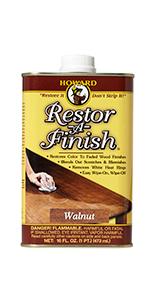
Start here: a finish restorer is the rung that clears most rings, and it is the one bottle worth owning before you need it.

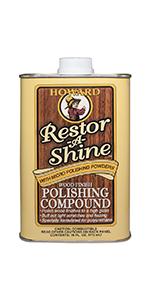
Prime Howard Products, Neutral Restor-A-Finish, 8 oz




White ring or dark ring? This decides everything
Before any repair, work out which of the two you are looking at, because the treatments have nothing in common.
| What you see | Where the damage is | Reversible? | Treatment |
|---|---|---|---|
| White, cloudy, hazy | In the finish (blushing) | Almost always | Heat, or a solvent that re-flows the finish |
| Grey or light brown | Finish plus the very top of the wood | Sometimes | Finish restorer, then oil |
| Dark brown or black | In the wood — tannin reaction | Not by heat | Oxalic acid, or sand and refinish |
| Raised, bubbled, lifting | Water got under a veneer | Only if caught early | Glue and clamp the edge |
There is one more case worth naming because people misdiagnose it constantly: a ring with a crisp, sharp edge and no haze is usually not water at all. It is a heat mark from a hot mug, and heat marks in a film finish behave more like a burn than a stain. The iron trick still helps, but expect to finish with a restorer.
The repair ladder, cheapest rung first
Work down this list in order and stop as soon as the ring is gone. Every rung is more invasive than the one above it.
1. Dry heat
Set an iron to its lowest setting with steam off and the reservoir empty — you are adding heat, not more water. Lay a folded cotton cloth (an old T-shirt, not a towel with a texture) over the ring. Press the iron down for two seconds, lift, and look. Repeat in short bursts. Most rings lift in three to six bursts. If nothing at all has changed after ten, the ring is not in the finish and you are on the wrong rung.
A hairdryer on high, held two inches away and kept moving, does the same job more slowly and with less risk of scorching. On a table you care about, start with the hairdryer.
2. A water mark remover cloth
These are cotton cloths pre-charged with a mild solvent that re-flows the top of the finish and lets the trapped moisture escape. You rub with the grain, in small circles, and check often. They are the right tool when heat got the ring to about eighty per cent and stalled, and they work on lacquer and shellac far better than on modern polyurethane.
3. A finish restorer
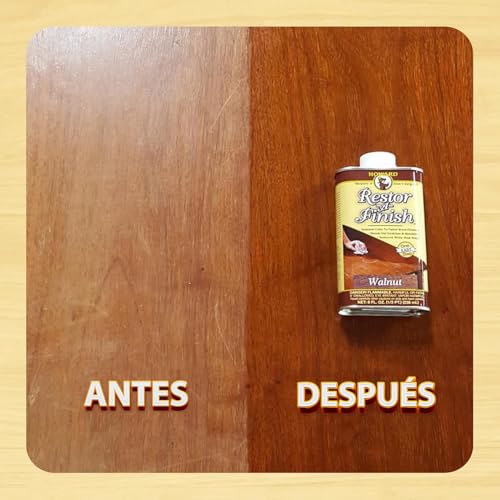
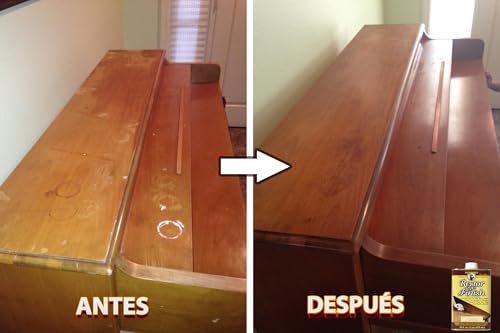
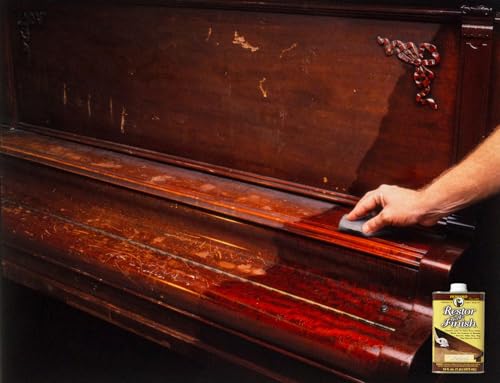
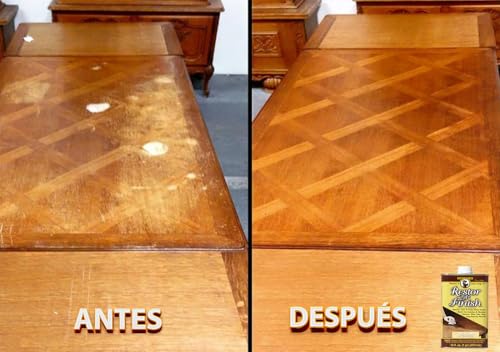
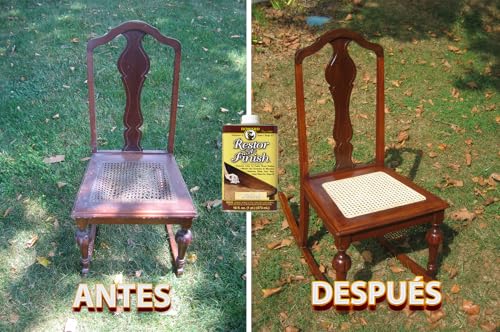
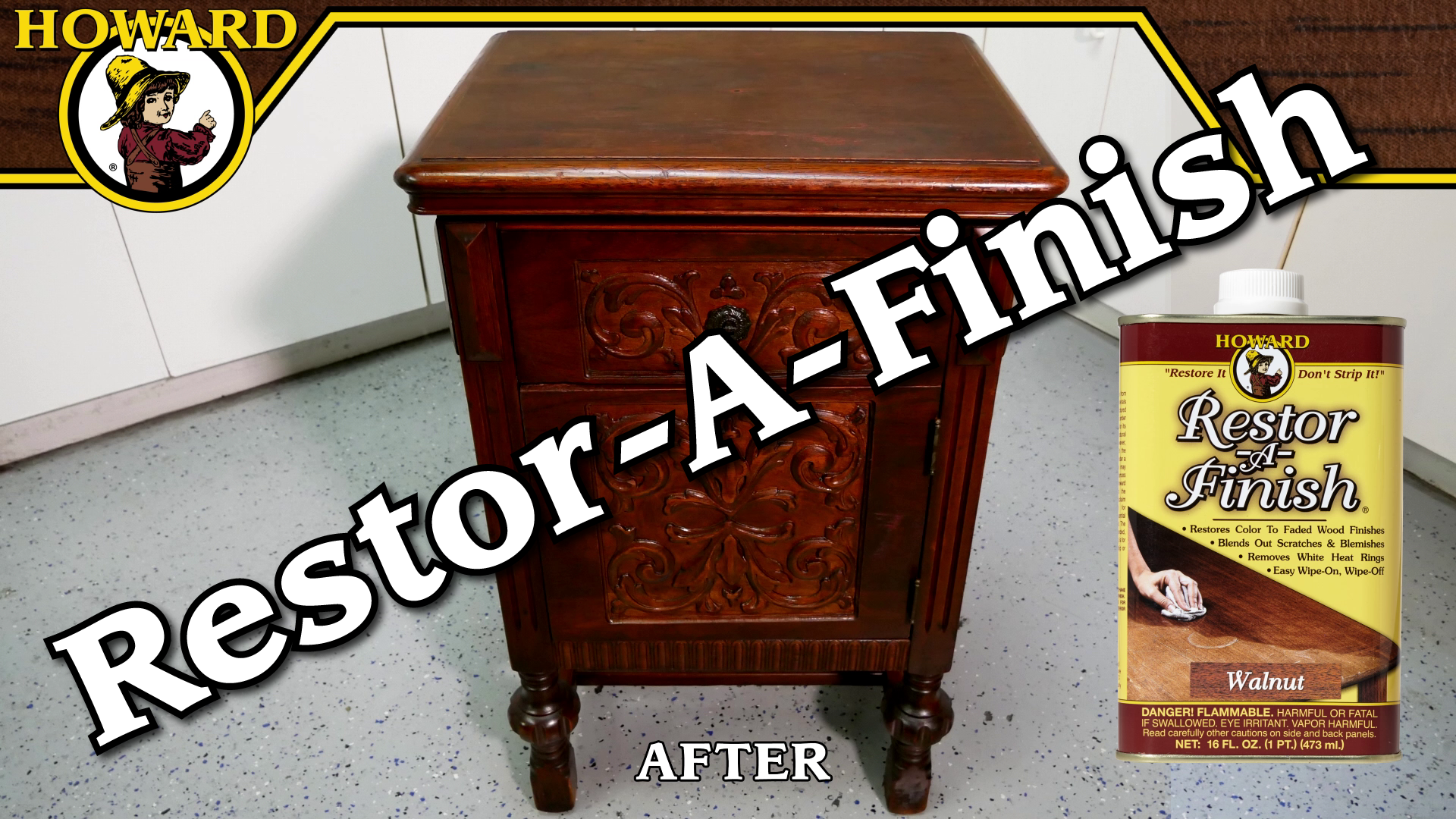
A restorer such as Restor-A-Finish contains solvents plus a small amount of colour. It does not strip and it does not build a new film; it softens and re-amalgamates the existing finish, taking the haze with it. Rub it on with 0000 steel wool with the grain, wipe off, and let it dry. Match the colour to your table — neutral if you are unsure, because a walnut tint on a light oak table is a worse problem than the ring was.
4. Feed the finish
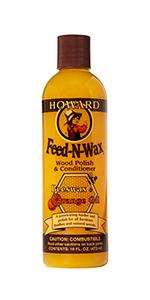
Whatever rung you stopped on, finish the job with a beeswax-and-oil conditioner. It evens out the sheen difference between the repaired patch and the rest of the top, which is what makes a repair invisible rather than merely successful.
What this repair actually takes
- Water mark remover cloth For the ring that heat almost fixed On Amazon →
- Restor-A-Finish, neutral Softens and re-amalgamates the existing finish On Amazon →
- Feed-N-Wax beeswax conditioner Evens the sheen after the repair On Amazon →
- Cotton cloth and a dry iron You already own both
- 0000 steel wool The only grade that will not scratch a finish
What to buy
Three products cover ninety per cent of water-ring work on wooden furniture. Buy the first two together; the third you will use on every piece in the house, not just this one.
The restorer does the work; the beeswax conditioner evens the sheen afterwards so the repair stops showing.

When the ring is dark, and the honest answer
A black ring means water passed through the finish and reacted with tannin in the wood — oak and walnut are the worst offenders because they have the most tannin to react with. Heat will not touch it, because the damage is not in the finish at all.
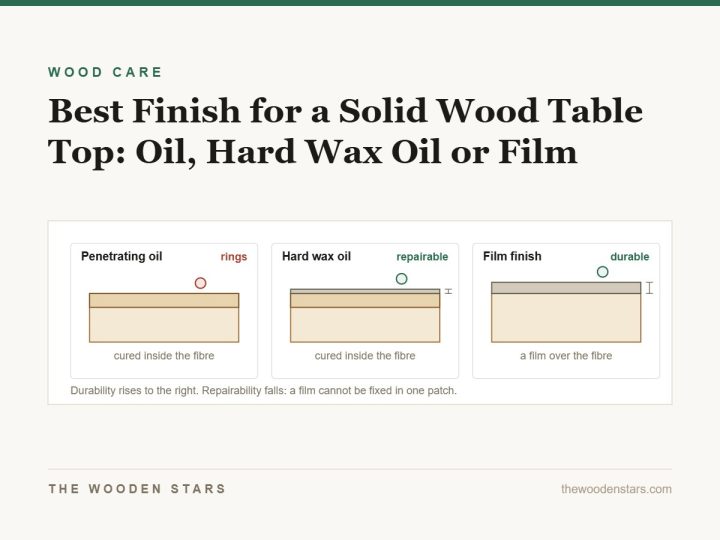
Your options are oxalic acid (sold as wood bleach), which lightens the stain but also lightens the surrounding wood and therefore usually means refinishing the whole top anyway, or accepting the mark. On a hundred-year-old farmhouse table, accepting it is a perfectly respectable answer. On a two-year-old dining table it is worth the refinish — and if you are going that far, this is the moment to choose a finish that will not let it happen again. Our comparison of table-top finishes covers which ones actually stop standing water.
Stopping the next one
- Coasters, obviously — but the reason matters. It is condensation on a cold glass, not a spill, that causes most rings. A cold drink on bare wood for twenty minutes is enough.
- Do not use furniture polish with silicone. It leaves a film that later repairs will not stick to, and it makes a restorer much less effective.
- Wax the top twice a year. Wax is a sacrificial layer; moisture stops in it instead of in the finish.
- Watch the humidity, not just the drinks. A dining table that sits under an air-conditioning vent or beside a radiator moves seasonally, and a finish under stress blushes more readily.
Questions we get asked
Does mayonnaise really remove water rings?
Sometimes, and not for the reason the internet says. Oil left on a hazed finish overnight can fill the microscopic voids that scatter light, which makes the haze look like it has gone. It has not been repaired; it has been optically hidden, and it comes back. Heat is faster and actually works.
Will the iron trick damage my table?
Not at the lowest setting with a cloth between, in two-second bursts. The risk is heat, so the rule is short bursts and frequent checking. Never put a steam iron on furniture with the steam on — you are then adding exactly the thing you are trying to remove.
My table is polyurethane. Does this still work?
Less reliably. Polyurethane is a tough film and does not re-flow the way lacquer and shellac do, so heat helps less and a solvent restorer helps less still. Try heat first anyway; if the ring is stubborn, a light abrasive polish followed by wax is usually a better bet than escalating solvents.
How do I tell whether my top is solid wood or veneer before I start?
Look at the edge. On solid wood, the grain pattern on the top runs over the edge and continues down it; on veneer, the edge shows a thin line and then a different material. It matters here because water under a veneer swells the core, and that is a glue-and-clamp repair, not a heat repair. There is a full checklist on our wood types hub.
Can I fix a whole table that has gone cloudy, not just a ring?
Yes, and it is usually easier than a single ring because you do not have to blend a patch. An overall haze is almost always blushing from humidity. Work in sections with a restorer, keep the strokes with the grain, and wax the whole top at the end.